

Trade Coffee Alternatives for Small Roasters
Table of Contents
- How Coffee Subscription Services Support Small Roasters
- Best Coffee Subscription for Home Office Workers
- Direct-to-Consumer Coffee Roasters vs. Aggregator Platforms
- Coffee Subscription vs Buying Direct: Cost and Freshness Analysis
- Key Criteria for Choosing a Small-Roaster Subscription
- Why Marilyn's Morning Brew Stands Out for Small-Roaster Coffee
- Conclusion
Last Updated: August 29, 2026
How Coffee Subscription Services Support Small Roasters
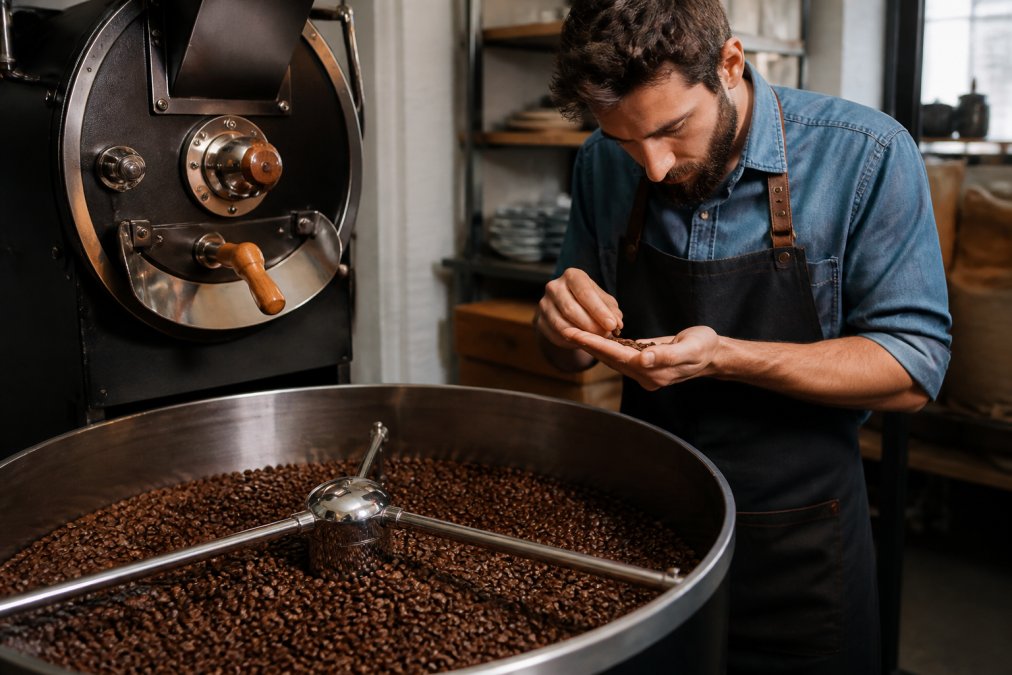
Coffee subscription services have fundamentally changed how specialty roasters reach customers directly. Rather than relying solely on wholesale distribution or retail shelf space, small-batch roasters can now build sustainable businesses by delivering freshly roasted beans directly to home brewers. This model eliminates intermediaries, guarantees consistent demand, and allows roasters to control their entire supply chain from bean sourcing through final delivery.
Subscribers commit to regular purchases, giving roasters predictable revenue and the ability to plan inventory months in advance. In return, roasters commit to freshness, most reputable services roast beans within days of shipment, ensuring peak flavor. This direct relationship also means roasters can communicate their sourcing story, processing methods, and tasting notes directly to customers, building brand loyalty that retail shelves cannot create.
When you buy coffee from a supermarket, beans are often roasted weeks or months earlier and stored in uncontrolled conditions. A coffee subscription flips this: you know the roast date, understand where beans came from, and receive them while still optimal. For home office workers and remote professionals who depend on consistent quality, this reliability matters enormously.
Best Coffee Subscription for Home Office Workers
Working from home creates a specific coffee need: reliable, high-quality beans that arrive on a predictable schedule without requiring trips to specialty shops. The best coffee subscription for home office workers balances freshness, customization, and shipping speed so your morning routine never depends on whether you remembered to order last week.
Home office professionals typically go through coffee faster than casual drinkers. A strong subscription service should offer flexible frequency options, monthly, bi-weekly, or weekly shipments for heavy users. The subscription management interface matters: you should adjust your next shipment date, swap roasts, or pause without navigating emails or customer service requests.
Shipping speed is non-negotiable. A coffee subscription taking 7-10 days to arrive defeats the purpose of subscription convenience. Look for services that ship within 2-3 business days of roasting, ideally with tracking that shows exactly when your beans will arrive.
The flavor profile matching component also matters more for home office workers than casual drinkers. You're brewing the same coffee daily, so getting a roast matching your taste preferences is essential. Services offering detailed tasting notes, cupping descriptions, or questionnaires about your brewing method help you understand what you're getting before it arrives.
Direct-to-Consumer Coffee Roasters vs. Aggregator Platforms
The coffee subscription landscape divides into two distinct models, and understanding the difference directly impacts both price and quality. Direct-to-consumer roasters operate their own subscription services and handle everything from sourcing through delivery. Aggregator platforms partner with multiple roasters and curate selections from different producers into a single subscription box.
Direct-to-consumer roasters own their supply chain completely. They source beans from specific farms, control roasting, manage shipping logistics, and communicate directly with subscribers. This creates accountability, if a roast isn't right, the roaster hears about it immediately and can adjust next month. The trade-off is that you're locked into one roaster's selection unless you maintain multiple subscriptions.
Aggregator platforms provide variety by partnering with dozens of different roasters. Each month, you might receive beans from roasters in Oregon, Brooklyn, and Portland. This appeals to coffee explorers wanting to discover new roasters constantly. The downside is complexity and reduced roaster support, you're never building a relationship with a single roaster, and aggregators add a markup before any payment reaches the roaster.
For supporting small roasters specifically, direct-to-consumer models are significantly more transparent about where your money goes. With an aggregator, a portion of your subscription fee covers platform operations, marketing, and logistics before reaching the roaster. A direct subscription sends more of your money directly to the business.
| Model | Variety | Roaster Support | Price Impact | Customization |
|---|---|---|---|---|
| Direct-to-Consumer | Single roaster | 100% of payment | Lower baseline cost | High (you choose roasts) |
| Aggregator Platform | Multiple roasters | Shared revenue | Higher cost | Medium (algorithm curates) |
Coffee Subscription vs Buying Direct: Cost and Freshness Analysis
The conventional wisdom says subscriptions cost more than buying coffee elsewhere. The data tells a more nuanced story. A coffee subscription from small roasters can cost less per ounce than buying equivalent-quality beans from retail shops, but only if you understand what you're comparing.
Retail specialty coffee typically costs $15-22 per pound (peer-reviewed research). A subscription charging $60-80 per month for two pounds works out to $30-40 per pound, which appears higher until you factor in shipping. Most subscriptions include free shipping, and roasters often offer lower per-unit pricing for subscribers than one-off purchasers. The actual cost difference shrinks significantly once you account for logistics.
The freshness advantage of subscriptions is more substantial than the price advantage. Retail coffee sits in warehouses, then on shelves, accumulating days or weeks before purchase. Even "premium" grocery store coffee is often roasted 2-4 weeks before purchase (peer-reviewed research). A roast-to-order subscription delivers beans roasted within 5-7 days of shipment, meaning you're brewing coffee at peak flavor. This freshness difference is immediately noticeable in taste.
The break-even point for subscriptions versus retail comes down to volume and quality expectations. If you're comparing a subscription to grocery store coffee, the subscription wins on both price and quality. For remote workers who can't easily visit specialty shops, subscriptions solve a logistics problem that retail cannot address.
Key Criteria for Choosing a Small-Roaster Subscription
Selecting the right coffee subscription requires evaluating several overlapping factors that determine whether you'll actually use the service long-term. The best choice depends on your brewing method, flavor preferences, shipping location, and how much you value supporting individual roasters.
Roast-to-Order and Freshness Guarantees
Roast-to-order is the defining feature that separates premium subscriptions from commodity coffee services. A roaster that roasts beans after receiving your order guarantees maximum freshness, but requires more operational complexity.
Most reputable roasters roast within 24-48 hours of shipment, meaning beans arrive 3-7 days after roasting. This window is the sweet spot for specialty coffee, beans have released their initial CO2 and settled into stable flavor, but haven't begun the long decline in freshness. Beans roasted more than two weeks prior start losing aromatics and develop flatter flavor profiles (peer-reviewed research).
Ask any potential subscription service for their roast-to-ship timeline and typical delivery window. If they can't provide these specifics, they're likely not prioritizing freshness as a core value.
Roaster Transparency and Ethical Sourcing
Small roasters typically have direct relationships with farms and importers, giving them knowledge about where beans come from and how they're processed. The best subscriptions share this information through detailed tasting notes, farm names, processing methods, and sourcing stories.
Look for subscriptions that include detailed information with each shipment: the farm or region, harvest date, processing method, and tasting notes. Some roasters pursue third-party certifications like Fair Trade or Direct Trade, providing independent verification of ethical sourcing. A roaster without formal certifications but with transparent sourcing information can be equally ethical.
Flexibility, Cancellation, and Shipping Speed
The best services allow you to adjust shipment frequency, skip months, swap roasts, and cancel without penalties or lengthy email exchanges. Cancellation policies reveal whether a company respects its customers, services that make cancellation difficult are betting on friction to retain customers, while those allowing one-click cancellation are confident in their product quality.
Why Marilyn's Morning Brew Stands Out for Small-Roaster Coffee
Marilyn's Morning Brew operates as a direct-to-consumer roaster with a philosophy prioritizing quality and relationship over scale. Owned by a retired teacher, the business fundamentally shapes how they approach sourcing, roasting, and customer service.
The core advantage is roasted-to-order freshness. Every batch is roasted after your order arrives, not weeks in advance. This means your coffee arrives at peak flavor, typically within 5-7 days of roasting. For home office professionals who depend on consistent morning quality, this freshness guarantee makes a tangible difference compared to retail or other subscription alternatives.
Marilyn's sources from trusted farms worldwide. Each shipment includes detailed information about the roast, origin, and expected flavor notes. You're receiving the story behind your coffee.
The ordering experience reflects the brand's core principle of simplicity. Setup takes minutes, and managing your subscription is straightforward: adjust frequency, skip months, or pause as needed. Fast, reliable delivery means your coffee arrives when you need it. The business model prioritizes customer relationships over aggressive growth.
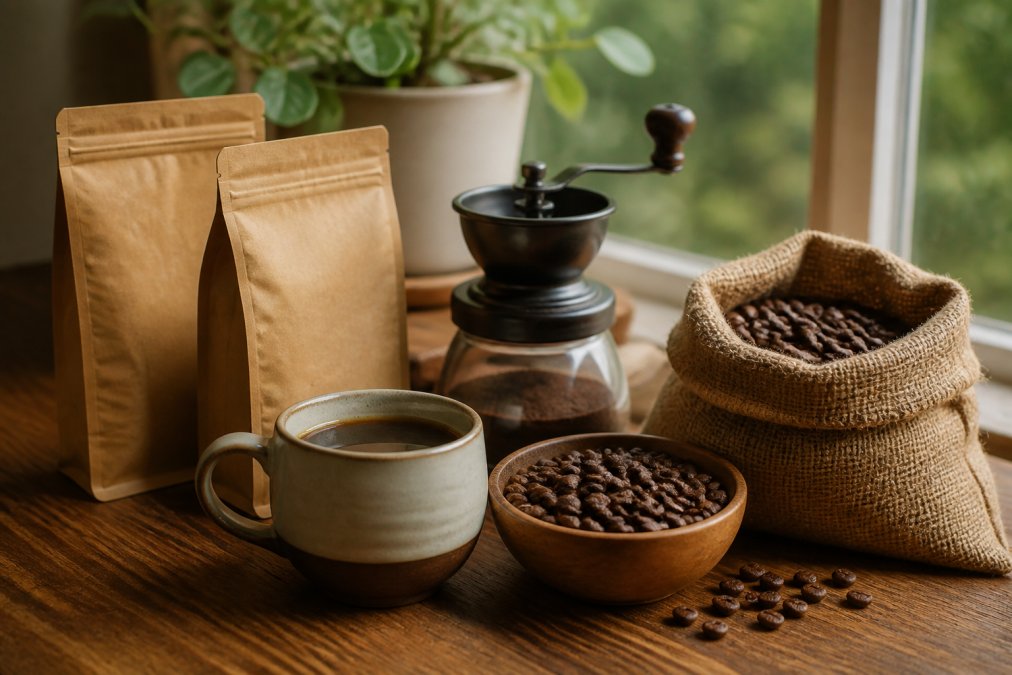
For customers seeking to support small roasters while maintaining a convenient home office coffee routine, Marilyn's Morning Brew delivers both. You're supporting a single business owner invested in quality, not funding a platform that takes a cut from dozens of roasters. The pricing reflects direct-to-consumer efficiency with no aggregator markup or warehouse storage costs.
If you also enjoy tea alongside coffee, Marilyn's offers carefully curated selections including Matcha, Moroccan Mint, and Hojicha, each crafted with attention to quality and freshness.


The coffee subscription landscape offers real alternatives to retail coffee, but only if you understand what you're choosing. Aggregator platforms provide variety at the cost of supporting individual roasters. Direct-to-consumer subscriptions like Marilyn's Morning Brew prioritize freshness, transparency, and direct support for the roaster. For home office professionals seeking reliable, high-quality coffee that arrives fresh and supports small businesses, work with a roaster who roasts to order, shares their sourcing story, and respects your time with fast, flexible service. Start your subscription with Marilyn's Morning Brew and experience the difference that direct-to-roaster freshness delivers to your morning routine.
Frequently Asked Questions
Q: What makes a coffee subscription for small roasters different from Trade Coffee?
A: Small-roaster subscriptions prioritize direct relationships with independent roasting operations rather than aggregating beans from multiple large suppliers. They typically guarantee roast-to-order freshness, provide detailed information about processing methods and single-origin sourcing, and reinvest margins directly into roaster partnerships. Trade Coffee operates as an intermediary; alternatives like Marilyn's Morning Brew emphasize transparency about roasting dates and direct trade relationships, giving you traceability from farm to cup.
Q: How does buying direct from coffee roasters compare to a subscription service?
A: Direct purchasing from roasters often means lower per-ounce costs since you skip the subscription markup, but requires more research to find quality sources and manage multiple vendor relationships. Coffee subscriptions simplify curation, the service handles roaster vetting, freshness guarantees, and delivery logistics. For home office professionals ordering multiple times monthly, subscriptions offer convenience and consistency, while direct buying works better if you have a favorite roaster and want maximum savings on bulk orders.
Q: What should I look for in a coffee subscription that supports small businesses?
A: Prioritize roast-to-order guarantees (beans roasted after your order ships), transparent roasting dates on packaging, clear sourcing information including farm names and processing methods, and direct trade or ethical sourcing certifications. Check cancellation policies for flexibility, verify shipping speed (quality roasters ship within 1-2 business days), and confirm they work exclusively with independent or small-batch roasters rather than bulk commodity suppliers. Marilyn's Morning Brew, for example, sources from trusted farms worldwide and roasts every batch to order for maximum freshness.
Q: Are coffee subscriptions worth the cost compared to grocery store beans?
A: Specialty coffee subscriptions cost more per pound than grocery store options but deliver measurably better flavor, aroma, and freshness due to roast-to-order processing and single-origin sourcing. Grocery store beans are typically roasted weeks or months prior and lose volatile flavor compounds over time. For remote workers and home office professionals who drink coffee daily, the improved taste and freshness justify the premium. One bag from a small roaster often outperforms multiple bags from mass-market suppliers in cup quality.
Q: How can I verify that a coffee subscription actually supports ethical sourcing?
A: Look for specific certifications like Fair Trade, Direct Trade, or Rainforest Alliance on product pages and packaging. Reputable roasters publish detailed sourcing information including farm names, regions, and processing methods. Check their website for transparency reports or direct roaster partnerships. Many small roasters, including Marilyn's Morning Brew, source from trusted farms and provide roasting dates and bean variety details so you can research origins yourself. Avoid vague claims like 'ethically sourced' without third-party verification or farm-level traceability.
This article was written using GrandRanker