

How to Choose Gourmet Coffee Beans: A Step-by-Step Guide
Table of Contents
- Understand Arabica vs. Robusta Beans
- Learn Roast Profiles and What They Mean
- How to Tell If Coffee Is Fresh
- Single Origin vs. Blend Coffee: Which Should You Choose
- Evaluate Processing Methods and Flavor Profiles
- Coffee Bean Storage Tips for Maximum Freshness
- Match Your Beans to Your Brewing Method
- Verify Ethical Sourcing and Certifications
- Frequently Asked Questions
Last Updated: October 2, 2026
Understand Arabica vs. Robusta Beans
Arabica and Robusta are the two main coffee species. Arabica (60-70% of global production) offers smooth, complex flavors, while Robusta is hardier, more caffeinated, and bitter.
Arabica thrives at higher altitudes (2,000-6,000 feet), creating nuanced flavors. Robusta grows lower and tolerates heat better, making it cheaper to produce.
For gourmet coffee, Arabica is standard, delivering fruity, floral, and chocolatey notes. Robusta appears mainly in espresso blends or budget options.
When you choose gourmet coffee beans, check the label. Quality roasters specify the variety. If it says only "coffee blend" with no Arabica mention, it likely contains Robusta or a mix.
Learn Roast Profiles and What They Mean
Roast profile shapes the flavor you taste. Light roasts preserve origin flavors. Medium roasts balance acidity and body. Dark roasts emphasize bitterness and body.
Light roasts (350-400°F, before the "first crack") retain acidity and highlight origin characteristics. An Ethiopian light roast lets you taste fruity, floral notes.
Medium roasts (410-430°F) balance origin flavor with roasting sweetness and work well for most brewing methods.
Dark roasts (430-450°F+) taste bold, smoky, and bitter. Origin flavors fade as roasting becomes the dominant flavor.
Match the roast to your taste and brewing method. Espresso uses dark or medium-dark roasts. Light roasts shine in pour-overs where delicate flavors aren't masked.
Check the roasted-on date. Fresh roasts (within 7-14 days) deliver the full roast profile; three weeks old has begun to stale.
How to Tell If Coffee Is Fresh
Coffee freshness is the single most important factor in cup quality. Fresh beans taste bright; stale beans taste flat and dull.
The roasted-on date is your best tool. Coffee peaks 5-14 days after roasting; after 30 days it noticeably declines.
Fresh beans look shiny and smell vibrant. Stale beans look dull and smell flat or musty.
When you buy gourmet coffee beans online, the roasted-on date is critical. Grocery store bags may sit for weeks.
Store beans in an airtight container away from light, heat, and moisture. Grind just before brewing.
Single Origin vs. Blend Coffee: Which Should You Choose
Single-origin coffee comes from one farm or region; blends combine multiple origins. Each has trade-offs.
Single-origin beans let you taste terroir (altitude, soil, climate, processing). They're more expensive but ideal for exploring flavor differences.
Blends mix beans to achieve a specific flavor profile. They're cheaper and more consistent batch-to-batch, practical for everyday drinking.
Choose single-origins to explore flavor differences, or blends for reliable, consistent coffee.
Marilyn's Morning Brew carries single-origins like Peru (salted caramel and citrus) and blends like the House Blend (chocolate and citrus).
The Best Sellers Sample Pack includes blends and single-origins in 2oz portions, so you can taste without committing to a full bag.

Evaluate Processing Methods and Flavor Profiles
Processing method shapes flavor as much as origin does. The three main methods are washed, natural, and honey.
Washed (wet) processing removes fruit immediately, producing clean, bright flavors with crisp acidity and pronounced origin characteristics.
Natural (dry) processing dries the entire fruit around the bean, creating fruity, sweet, wine-like flavors. Natural coffees taste heavier and more complex than washed beans.
Honey (pulped natural) processing balances washed and natural: cleaner than natural, fruitier than washed, with sweet flavor and some acidity.
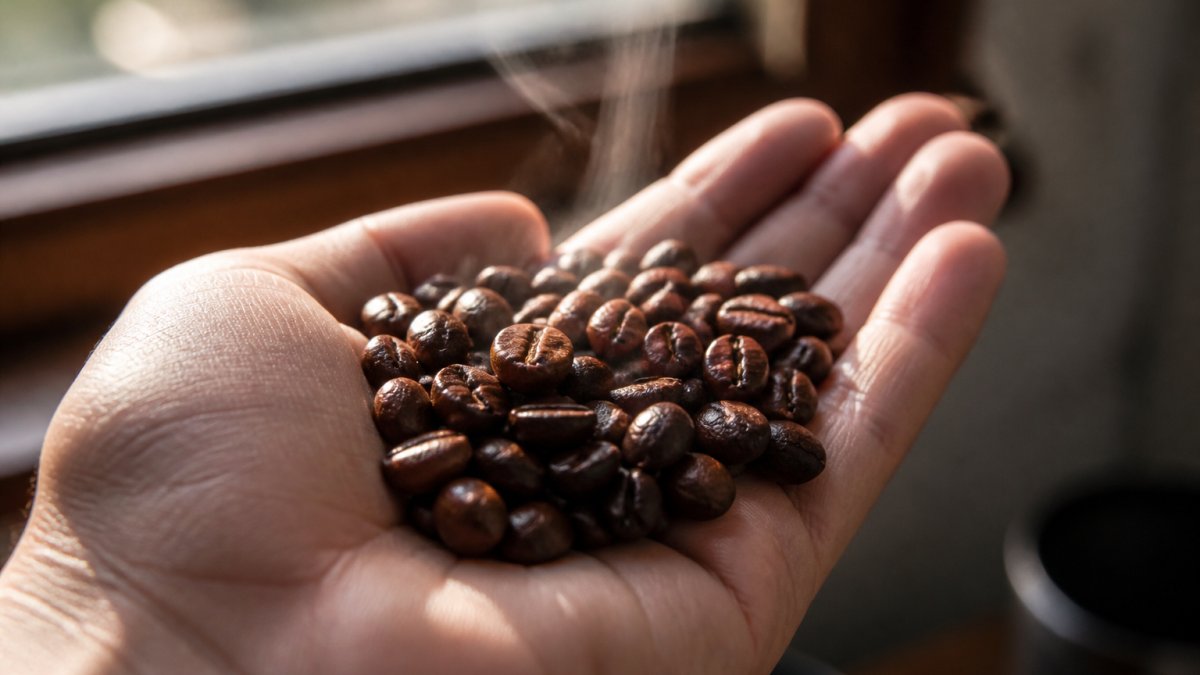
How to taste and identify processing methods yourself:
Best Sellers Sample Pack: 6Bean, Cowboy, Breakfast, Peru, Mexico, Bali →
- Smell first. Washed beans smell clean and bright. Natural beans smell fruity or fermented. Honey beans smell sweet and fruity but cleaner.
- Taste for sweetness. Washed beans taste less sweet; natural beans taste noticeably sweet; honey beans taste moderately sweet.
- Notice the body. Washed beans feel light. Natural beans feel heavy and syrupy. Honey beans feel medium.
Practical tasting exercise:
If you want to train your palate, buy a small sample (2oz) of the same origin in three different processing methods: washed, natural, and honey. Brew them the same way (same brewing method, same water temperature, same grind) on the same day. Taste them side by side. The differences will be obvious.
When you choose gourmet coffee beans, the processing method affects what you're buying. If you want bright, clean coffee, choose washed. If you want fruity, complex coffee, choose natural. Honey processing splits the difference.
Coffee Bean Storage Tips for Maximum Freshness
Proper storage extends the peak flavor window from 2 weeks to 4-6 weeks. The enemies of freshness are air, light, heat, and moisture.
Store whole beans in an airtight container. Glass jars with tight seals work well. Keep the container in a cool, dark place, a pantry or cabinet, not the counter or fridge. Room temperature (around 70°F) is ideal.
Never store beans in the freezer unless you're keeping them for months and can't use them fresh. Freezing and thawing creates condensation that damages the beans.
Ground coffee stales much faster than whole beans because grinding increases surface area. Grind just before brewing. If you must grind ahead, use it within 2-3 days.
Buy smaller quantities more frequently rather than large bags that sit for weeks. A 2oz sample pack gets used quickly. A 5lb bag might go stale before you finish it.

Match Your Beans to Your Brewing Method
Different brewing methods extract coffee differently, so bean choice matters. The grind size, water temperature, contact time, and filtration all affect which beans will taste best in your cup.
Pour-over (Chemex, Hario V60, Kalita Wave) uses paper filters and hot water poured slowly over grounds. Paper filters remove oils and sediment, so delicate, nuanced flavors shine. This method is ideal for light and medium roasts, especially single-origins where you want to taste the terroir. Washed and honey-processed beans work particularly well because their cleaner flavor profiles aren't masked by the brewing method. Grind medium-fine (similar to sea salt). A light-roasted Ethiopian natural-process bean would be wasted in a French press but excels in a Chemex, where the paper filter lets the fruity, floral notes come through without the body that immersion adds.
French press uses immersion, grounds steep in hot water for 4 minutes, then you press down a metal filter. The metal filter lets coffee oils through, adding body and mouthfeel.
Espresso machines force hot water through finely ground, compressed coffee under 9+ bars of pressure. Extraction happens in 25-30 seconds, so bean choice is critical.
AeroPress combines pressure and immersion in a small, portable device. It's forgiving and works with any roast, but medium roasts are the safest choice.
Moka pot (stovetop espresso) brews by forcing steam through grounds. It produces a strong, concentrated coffee similar to espresso but with less pressure. Medium and dark roasts work best.
Turkish coffee uses very finely ground beans (powder-fine) and a small pot called a cezve or ibrik. The method produces a thick, strong cup. Dark roasts are traditional, but medium roasts can work.
Verify Ethical Sourcing and Certifications
Ethical sourcing means the farmers who grew your coffee were paid fairly and worked in safe conditions. Certifications provide third-party verification.
Fair Trade certification ensures farmers received a minimum price and worked in fair conditions. It's the most recognized label. Look for the Fair Trade seal on the bag.
Organic certification means the beans were grown without synthetic pesticides or fertilizers. Organic farming protects soil and water, though it doesn't guarantee fair wages.
Direct trade is a newer model where roasters buy directly from farmers, cutting out middlemen and paying higher prices.
When you choose gourmet coffee beans, check the label for certifications or sourcing information. Quality roasters list the farm name, region, and sometimes the farmer's name. That transparency signals they care about sourcing.
Marilyn's Morning Brew sources from trusted farms worldwide and lists the grower and region on each single-origin bag.
If a bag says only "sourced responsibly" with no specifics, that's a red flag. Real sourcing transparency includes names and regions.
Choosing gourmet coffee beans doesn't require expertise, just attention to a few key details. Check the roasted-on date, understand the roast profile, and match the beans to your brewing method.
Frequently Asked Questions
How can you tell if coffee beans are fresh?
Fresh gourmet coffee beans should have a roasted-on date printed on the bag, ideally within the last 2-4 weeks. Check for a shiny, oily surface on darker roasts (a sign of proper roasting), and smell the beans; fresh coffee has a strong, vibrant aroma. Avoid beans with a dull appearance or no visible roast date. Roasted to order services like Marilyn's Morning Brew offer fast shipping.
What's the difference between single origin and blend coffee?
Single origin coffee comes from one specific farm or region, offering distinct tasting notes tied to that location's altitude, soil, and climate. Blends combine beans from multiple origins to create a consistent, balanced flavor profile. Single origins let you explore unique characteristics like citrus or floral notes, while blends are ideal if you want a reliable, smooth cup every time. Marilyn's Morning Brew offers both options, try the Single Origin Favorites Sample Pack to taste regional differences, or choose the House Blend for consistent daily drinking.
Does roast date matter when buying coffee?
Yes, roast date is critical. Coffee reaches peak flavor 5-7 days after roasting and begins to lose quality after 2-3 weeks. A printed roast date tells you exactly when the beans were roasted, so you can buy with confidence. Beans roasted weeks or months ago will taste flat and stale. Roasted-to-order services ensure your coffee is roasted fresh and shipped with fast delivery.
How should I store gourmet coffee beans to keep them fresh?
Store whole beans in an airtight container away from light, heat, and moisture. Keep them at room temperature, never in the refrigerator or freezer, as condensation damages the beans. Whole beans stay fresh 2-4 weeks; pre-ground coffee loses freshness in 1-2 weeks. Buy whole beans and grind just before brewing for the best flavor. Store opened bags in a sealed container with a one-way valve if possible, and keep backup supplies in a cool cupboard away from direct sunlight.