

Benefits of Roasted to Order Coffee
Table of Contents
- Why Roasted to Order Coffee Tastes Better
- How the Coffee Degassing Process Affects Flavor
- Antioxidants and Health Benefits in Fresh Roasted Beans
- How to Store Roasted Coffee Beans for Maximum Freshness
- Best Coffee Subscription for Home Office Workers
- Roasted to Order vs. Pre-Roasted: What the Science Shows
- Frequently Asked Questions
Last Updated: September 1, 2026
Why Roasted to Order Coffee Tastes Better
Roasted to order coffee tastes better because the beans retain their flavor compounds and aromatic oils at peak intensity. When coffee is roasted, the maillard reaction creates hundreds of volatile compounds that define taste and aroma (peer-reviewed research). These compounds begin degrading the moment roasting stops. Pre-roasted coffee sitting on a shelf for weeks or months loses these delicate flavors long before it reaches your cup.
At Marilyn's Morning Brew, we roast each batch only after you order. This means your beans travel from roaster to your home while still in their prime flavor window. The difference is immediate and unmistakable. A cup brewed from beans roasted three days ago tastes noticeably brighter, more complex, and more vibrant than coffee roasted three weeks prior.
The sensory experience of fresh roasted beans involves layers of flavor notes that fade quickly. Single-origin coffees like our Brazil Santos reveal cocoa and subtle fruit notes when freshly roasted. These same beans, after two months on a shelf, taste flat and one-dimensional. Specialty roasters focus on this freshness window because it's where the coffee's true character emerges.

Roast profile also matters tremendously. Medium roasts preserve the bean's origin characteristics while developing enough body for a smooth cup. Light roasts highlight acidity and delicate flavors. Dark roasts emphasize body and mouthfeel. But all these roast profiles depend on freshness to deliver their intended sensory experience. Stale beans cannot express what the roaster intended, regardless of roast level.
How the Coffee Degassing Process Affects Flavor
Degassing is the release of carbon dioxide trapped in roasted coffee beans, and it directly impacts how flavors develop and express in your cup. During roasting, heat creates carbon dioxide inside the bean structure. This gas needs to escape gradually over several days. The degassing process affects flavor extraction, body, and the overall sensory profile of your coffee.
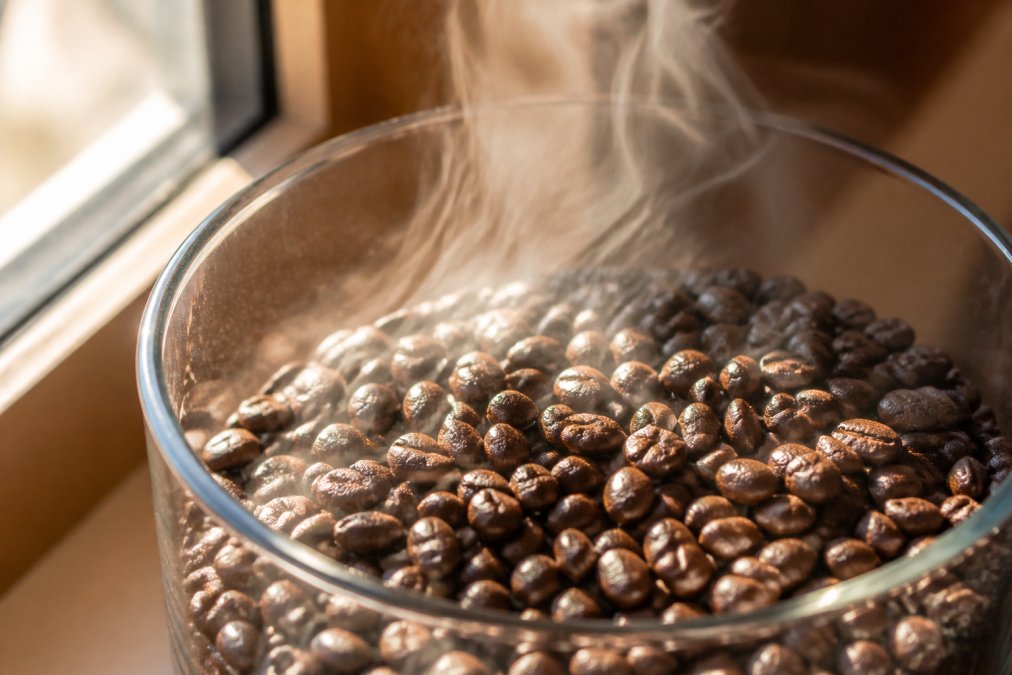
Fresh beans actively degass for 24-48 hours after roasting. During this period, CO2 escapes rapidly. If you brew coffee during peak degassing, excess gas can interfere with proper water contact with the grounds. The water has difficulty saturating the coffee evenly because gas bubbles occupy space. This creates uneven extraction, some grounds over-extract while others under-extract, resulting in a cup that tastes thin, sour, or bitter.
Many coffee professionals recommend a short resting period of 5-10 days after roasting before brewing. This allows most CO2 to escape naturally while volatile flavor compounds remain stable. The "resting period paradox" is real: waiting slightly after roasting actually improves flavor because extraction becomes more consistent and complete.
Pre-roasted coffee has already completed degassing weeks before you receive it. The CO2 is gone, but so are many of the volatile compounds that created complexity. What you're left with is a stable product that won't produce gas, but one that's lost much of its aromatic character. The beans are safe to brew immediately, but they lack the vibrancy of freshly roasted coffee.
Degassing also relates to oxidation. As CO2 escapes, oxygen enters the bean structure. This oxidation process gradually degrades polyphenols and other flavor-active compounds. Fresh beans have abundant polyphenols that contribute to brightness and complexity. Over time, lipid oxidation occurs as well, creating stale or rancid notes. Roasted to order coffee minimizes this oxidation window by getting to you quickly.
Antioxidants and Health Benefits in Fresh Roasted Beans
Fresh roasted coffee contains significantly higher levels of antioxidants than pre-roasted or instant coffee (peer-reviewed research). Coffee beans naturally contain chlorogenic acid, a potent polyphenol with antioxidant properties (peer-reviewed research). These compounds begin degrading immediately after roasting. The longer beans sit, the more antioxidant content declines through oxidation and lipid breakdown.
Polyphenols in coffee contribute to various health-related benefits. They support digestive comfort and may help with gastrointestinal wellness. Chlorogenic acid specifically has been studied for its potential metabolic effects. Fresh roasted beans preserve these compounds at higher concentrations than older coffee. This is why specialty coffee enthusiasts often report better digestibility with freshly roasted beans, the antioxidant profile is simply more strong.
The antioxidant content of coffee also influences its flavor profile. Polyphenols contribute to brightness, acidity perception, and complexity. As these compounds degrade in pre-roasted coffee, the cup becomes flatter and less interesting. You're not just losing health benefits; you're losing taste quality as well. The two are connected.
Roasting itself creates beneficial compounds through the maillard reaction. This chemical process generates melanoidins, which have antioxidant properties. Fresh roasted beans contain these compounds at their peak. Over time, melanoidins can break down through oxidation, further reducing the antioxidant density of older coffee.
If health and wellness are part of your coffee routine, freshness matters. Roasted to order coffee from Marilyn's Morning Brew ensures you're getting maximum antioxidant benefit with every cup. Our sourcing from trusted farms around the world means the beans start with excellent nutritional profiles, and our roasting-to-order model preserves those benefits until they reach your home.
How to Store Roasted Coffee Beans for Maximum Freshness
Proper storage is essential for preserving the freshness of roasted coffee beans. Even with roasted to order coffee, storage conditions determine how long you maintain peak flavor. The enemies of coffee freshness are oxygen, light, heat, and moisture.
Use airtight containers with one-way valves. These valves allow CO2 to escape while preventing oxygen from entering. This is crucial during the first week after roasting when degassing is most active. Standard mason jars or ziplock bags allow oxygen in and aroma out. One-way valve bags are inexpensive and significantly extend freshness.
Store beans in a cool, dark location. Pantries work better than countertops near windows. Avoid refrigerators and freezers unless you're storing beans for several months. Temperature fluctuations cause condensation, which introduces moisture that degrades quality. A stable room temperature between 55-70°F is ideal.
Grind coffee immediately before brewing. Pre-ground coffee exposes far more surface area to oxygen, accelerating oxidation dramatically. Whole beans maintain freshness 5-10 times longer than ground coffee. Invest in a quality burr grinder and grind just before brewing. The flavor difference is substantial.
Buy in quantities you'll use within 3-4 weeks. This is the practical freshness window for most home brewers. Buying smaller amounts more frequently costs slightly more per bean, but you'll always have fresh coffee. Roasted to order services like Marilyn's Morning Brew solve this problem by shipping small batches on your schedule.
Label your beans with the roast date. Coffee labeled with roast date rather than "best by" date helps you track freshness accurately. Consume beans within 2-3 weeks of the roast date for optimal flavor. After 30 days, quality declines noticeably. After 60 days, most specialty coffees taste significantly diminished.
Best Coffee Subscription for Home Office Workers
For remote workers, a reliable coffee subscription eliminates the need for grocery store runs while ensuring fresh beans arrive regularly. Home office workers go through coffee quickly and benefit most from roasted to order models because consistency matters when you're working from home all day.
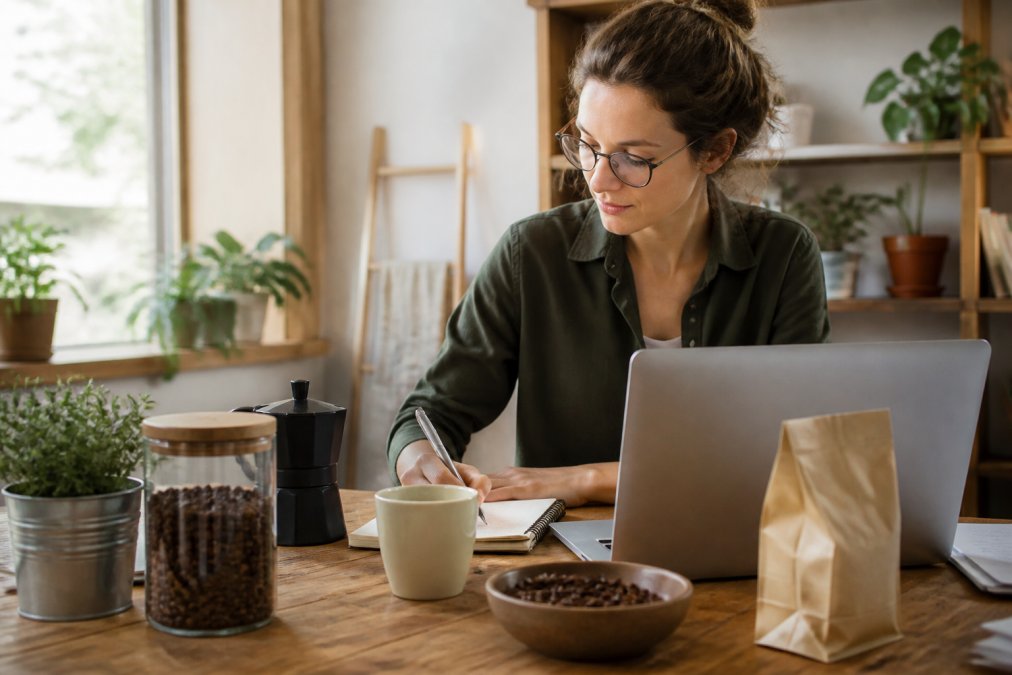
Marilyn's Morning Brew is designed specifically for this use case. Our simple ordering process lets you set up recurring deliveries on your schedule. Whether you need coffee weekly, biweekly, or monthly, the system adjusts to your consumption. Fast, reliable shipping means your beans arrive fresh and on time.
The subscription model removes decision fatigue. You choose your preferred beans once, and they arrive consistently. Our carefully sourced single-origin coffees and specialty blends offer variety without requiring you to research new options constantly. The Guatemala offers dark chocolate and bright fruit notes, while the Colombia delivers dried orange and berry complexity. Both are roasted to order specifically for your subscription cycle.

Home office workers appreciate the quality-to-convenience ratio. You're not compromising on flavor like you would with grocery store coffee, but you're also not spending hours researching specialty roasters. The subscription arrives at your door, ready to brew. This is particularly valuable for professionals who want excellent coffee without the complexity of sourcing it themselves.
Pricing for premium roasted to order coffee typically runs $20-25 per bag. Marilyn's Morning Brew offers single-origin and specialty blends at consistent pricing with no hidden fees. For someone brewing 2-3 cups daily, a bag lasts about a week. Monthly subscriptions cost roughly $80-100, which is comparable to premium grocery store options but with dramatically better freshness and flavor.
The subscription also eliminates the risk of running out. Home office workers often discover they've finished their coffee mid-week with no time to shop. A subscription ensures fresh beans arrive before you need them. This reliability matters when your morning routine depends on having quality coffee available.
Roasted to Order vs. Pre-Roasted: What the Science Shows
The scientific differences between roasted to order coffee and pre-roasted beans are substantial and measurable. Fresh roasted beans contain volatile compounds at concentrations that pre-roasted coffee cannot match. These compounds include esters, aldehydes, and ketones that create the sensory experience you recognize as "good coffee."
Pre-roasted coffee begins oxidizing immediately after roasting. Lipid oxidation creates rancid or stale flavors within days. Polyphenol degradation accelerates in the presence of oxygen and light. By the time pre-roasted coffee reaches retail shelves, typically 2-4 weeks after roasting, it has already lost 30-50% of its volatile compounds. This is why grocery store coffee tastes flat compared to fresh roasted.
Roasted to order coffee minimizes this degradation window. Beans roasted and shipped within days retain volatile compounds at their peak. The sensory experience is noticeably more complex, with distinct flavor notes and aromatic intensity. This isn't subjective preference; it's measurable chemistry.
The acidity profile also differs significantly. Fresh roasted beans express bright, pleasant acidity from chlorogenic acid and other polyphenols. As these compounds degrade, acidity becomes less pleasant, sharper and more astringent. Pre-roasted coffee often tastes sour or harsh because oxidation has altered the acid chemistry. Fresh roasted coffee tastes bright and clean by comparison.
Body and mouthfeel depend on coffee oils and compounds that oxidize over time. Fresh roasted beans produce a fuller, more textured cup. Pre-roasted coffee tastes thin because many of the compounds that create body have degraded. This is why espresso made from fresh roasted beans pulls differently than espresso from older beans, the extraction chemistry changes as compounds degrade.
Cupping, the professional tasting method used to evaluate coffee, consistently scores fresh roasted beans higher than pre-roasted equivalents. Same beans, same origin, same roast profile. The only variable is freshness. Fresh roasted scores higher on flavor intensity, complexity, and overall quality. This demonstrates that freshness is not subjective; it's measurable and consistent.
The supply chain also matters. Roasted to order models eliminate warehouse storage, which exposes coffee to temperature fluctuations, light, and oxygen. Direct roaster-to-consumer shipping preserves quality better than traditional retail distribution. This is why specialty coffee companies emphasize roasted to order, it's the most effective way to deliver fresh coffee to consumers.
| Aspect | Roasted to Order | Pre-Roasted (Retail) |
|---|---|---|
| Volatile Compounds | Peak levels (100%) | Degraded (50-70%) |
| Flavor Complexity | Distinct, layered notes | Flat, one-dimensional |
| Acidity | Bright, pleasant | Sharp, astringent |
| Body & Mouthfeel | Full, textured | Thin, weak |
| Oxidation Level | Minimal | Significant |
| Freshness Window | Days 5-21 post-roast | Already expired |
| Antioxidant Content | Maximum | Reduced |
| Aroma Retention | Strong | Faded |
The case for roasted to order coffee is straightforward: freshness delivers better flavor, better health benefits, and a more satisfying sensory experience. Pre-roasted coffee has its place for convenience-focused consumers, but anyone who cares about taste will notice the difference immediately.
Marilyn's Morning Brew makes roasted to order coffee accessible and convenient. Our subscription model means you don't sacrifice freshness for reliability. Beans arrive fresh, on schedule, ready to brew. For home office workers and coffee enthusiasts who want excellent coffee without complexity, this is the most practical solution available. Start with our Whiskey Barrel Aged blend for a distinctive flavor profile, or choose a single-origin like Brazil Santos for a smooth, elegant cup. Either way, you'll experience what fresh roasted coffee actually tastes like.

Frequently Asked Questions
How long should you wait to drink freshly roasted coffee?
Most freshly roasted beans benefit from a 12-24 hour resting period before brewing. This allows carbon dioxide released during the roasting process to escape, a phase called degassing. Brewing immediately can result in over-extraction and a flat taste. However, coffee remains optimal for about two weeks after roasting, so you don't need to wait longer than a day or two to enjoy excellent flavor from roasted to order coffee.
Does roast date really affect coffee flavor?
Yes. The roast date directly impacts flavor because coffee begins to lose volatile compounds and aroma immediately after roasting. Oxidation accelerates staling, and polyphenols, the compounds responsible for antioxidant benefits, degrade over time. Coffee roasted to order arrives at peak freshness, preserving the full sensory experience of the bean's origin characteristics, acidity levels, and body. Pre-roasted beans sitting on shelves lose these qualities weeks before you brew them.
What are the signs of stale coffee beans?
Stale beans show a dull appearance, lack the glossy coffee oils visible on fresh beans, and produce minimal aroma when opened. The flavor becomes flat, lacking the bright acidity and origin-specific notes you'd expect. Staling accelerates when beans are exposed to oxygen, heat, or light. Roasted to order coffee avoids this by shipping soon after roasting, ensuring you receive beans at their peak before significant flavor degradation occurs.
Is roasted coffee healthy?
Freshly roasted coffee retains higher levels of chlorogenic acid and other polyphenols, antioxidants linked to various health benefits. The roasting process itself creates beneficial compounds through the Maillard reaction. However, roasted to order coffee maintains these antioxidant levels better than pre-roasted beans because oxidation and lipid degradation happen more slowly in fresher coffee. Proper storage also preserves these compounds, making freshness a factor in the nutritional value of your daily cup.
This article was written using GrandRanker