

How to Choose Fair Trade Tea: A 2026 Guide
Table of Contents
- What Fair Trade Tea Actually Means
- Understanding Fair Trade Tea Certification Standards
- Fair Trade vs. Direct Trade Tea: Which Model Matters More
- How to Identify Sustainable Tea Brands and Authentic Labels
- Step-by-Step Process for Choosing Your Fair Trade Tea
- Why Fair Trade Tea Costs More and What You're Actually Paying For
- Common Mistakes to Avoid When Buying Fair Trade Tea
- Conclusion
- Frequently Asked Questions
Last Updated: September 22, 2026
What Fair Trade Tea Actually Means
Fair trade tea is tea sourced and produced according to standards that prioritize ethical treatment of farmers, environmental protection, and community development. At Marilyn's Morning Brew, we believe understanding what fair trade actually means is the first step toward making choices that align with your values.
The term "fair trade" gets thrown around a lot. But it has a specific meaning: it's a certification system designed to ensure that tea farmers and workers receive fair compensation, work in safe conditions, and have a voice in their supply chains. Unlike commodity tea markets where prices fluctuate wildly, fair trade establishes a guaranteed minimum price that protects farmers from market crashes.
Fair trade tea certification goes beyond just paying farmers more. It requires compliance with strict standards covering labor practices, environmental stewardship, and community investment. The system creates accountability at every step from farm to cup.
Understanding Fair Trade Tea Certification Standards
Fair trade tea certification involves multiple layers of requirements that protect both people and the planet. These standards cover everything from how tea is grown to how profits are distributed within farming communities.
Third-Party Verification and Traceability
Third-party verification is what separates genuine fair trade from marketing claims. Independent auditors visit farms, inspect records, and interview workers to confirm compliance with standards. This verification process creates supply chain transparency that consumers can actually trust.
Traceability means you can follow your tea from the specific farm where it was grown back to the cup in your hand. Fair trade organizations maintain detailed records showing which farms produced which batches, when they were harvested, and how they were processed. This isn't just bureaucracy, it's the mechanism that prevents greenwashing.
When you buy fair trade tea, you're buying accountability. The certification body has physically verified the farm, checked the farmer's records, and confirmed that standards were met. That verification is documented and available.
The Guaranteed Minimum Price and Community Premium
The guaranteed minimum price is the financial backbone of fair trade. It sets a floor below which fair trade tea cannot be sold, protecting farmers from price crashes in global commodity markets. Even when tea prices drop, fair trade farmers know they'll receive this minimum.
Beyond the minimum price, fair trade organizations collect a community premium, typically 5-10% of the sale price, that goes directly to farming communities. Farmers decide how to use this money. Many invest in school infrastructure, healthcare facilities, or equipment that improves productivity.
This model addresses a fundamental problem in conventional tea production: farmers have no control over global prices. When prices collapse, they have no safety net. Fair trade flips this dynamic by guaranteeing income stability and giving communities resources to invest in their own futures.
Fair Trade vs. Direct Trade Tea: Which Model Matters More
Both fair trade and direct trade aim to improve conditions for tea farmers, but they work differently. Understanding the distinction helps you choose the model that best aligns with your values.
Fair trade certification uses standardized requirements, third-party audits, and a structured premium system. It works at scale, you can find fair trade tea from hundreds of farms across dozens of countries. The certification provides consistent, verifiable standards that apply equally to large and small producers.
Direct trade bypasses certification entirely. Instead, tea companies establish direct relationships with specific farms and negotiate prices directly. There's no third party involved, which means lower overhead costs and potentially higher payments to farmers. However, there's no independent verification. You're trusting the company's claims about what they're paying and the conditions they've verified.
Neither model is inherently superior. Fair trade offers standardized verification and scale. Direct trade offers relationship-based accountability and potentially higher farmer payments. Many tea drinkers prefer fair trade because the third-party verification removes ambiguity. Others prefer direct trade because they trust specific companies to maintain relationships and ensure quality.
How to Identify Sustainable Tea Brands and Authentic Labels
Finding genuine fair trade tea means knowing which labels to trust and which to question. The certification landscape includes multiple organizations, each with different standards and verification processes.
Spotting Greenwashing and Fake Certifications
Greenwashing happens when brands use environmental or ethical language without backing it up with actual certification. A package might say "ethically sourced" or "sustainable" without any third-party verification. These are marketing claims, not guarantees.
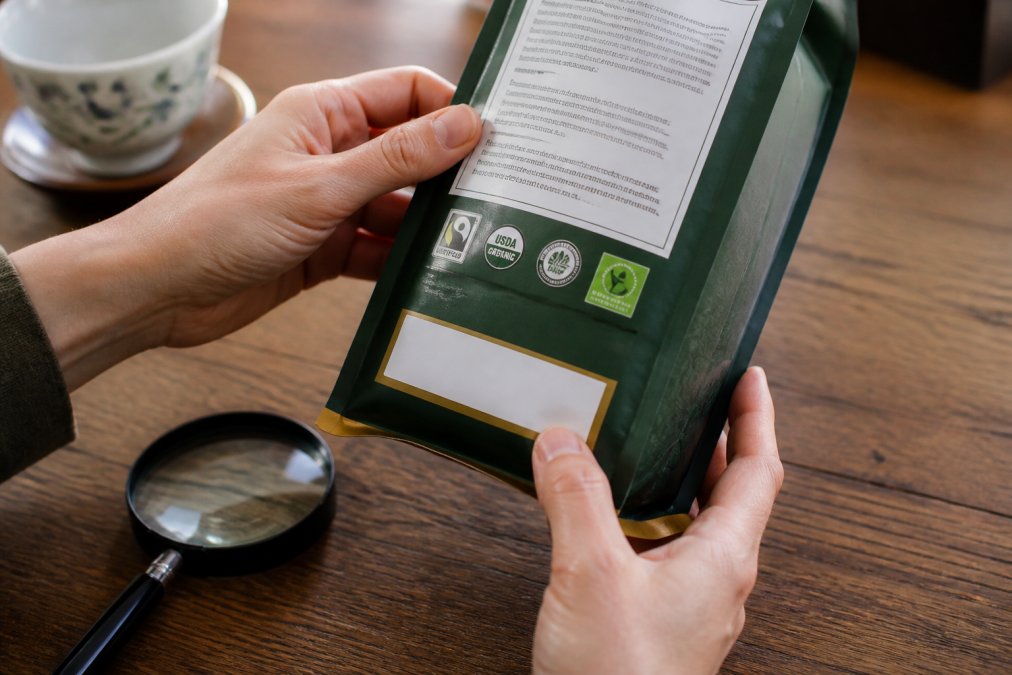
Real fair trade certifications come from specific organizations with verification processes. The major certifiers include Fair Trade USA, Fair Trade International, and Rainforest Alliance. Each has a logo that appears on packaging. If a brand claims to be fair trade but doesn't display one of these logos, it's not certified.
Watch for vague language like "responsibly sourced," "artisanal," or "small-batch." These words sound ethical but carry no legal meaning or verification requirement. Real fair trade certification uses specific language and displays verifiable logos.
Checking Supply Chain Transparency
Transparent brands publish information about where their tea comes from. Look for websites that name specific farms, regions, or farming cooperatives. The more specific the information, the more transparency the brand is offering.
Some brands go further and provide impact reports showing how much money went to farming communities, what projects were funded, and what outcomes were achieved. These reports demonstrate genuine commitment to supply chain transparency.
Ask yourself: Can I find out which farm produced this tea? Does the brand publish information about farmer payments? Are certifications listed with verifiable details? Brands that answer these questions clearly are prioritizing transparency.
Step-by-Step Process for Choosing Your Fair Trade Tea
Selecting fair trade tea doesn't require expertise. Follow these steps and you'll make informed choices every time.
Step 1: Read the Label Carefully
Start by examining the packaging. Look for certification logos from Fair Trade USA, Fair Trade International, or Rainforest Alliance. These logos indicate that an independent organization has verified the tea meets fair trade standards.
Read the origin information. The label should tell you which country or region the tea comes from. Better labels name specific farms or cooperatives. Write down this information, it's your starting point for verification.
Check the ingredient list. Fair trade certification applies to the tea itself, not necessarily to added flavors or ingredients.
Step 2: Verify the Certification Online
Step 3: Research the Brand's Sourcing Practices
Step 4: Check for Impact Reporting
- Total dollars paid to farmers above the minimum price
- Community projects funded (schools, healthcare facilities, equipment)
- Number of farmers and workers supported
- Environmental metrics (pesticide reduction, biodiversity improvements)
Why Fair Trade Tea Costs More and What You're Actually Paying For
Fair trade tea typically costs 20-40% more than conventional tea. This price difference isn't arbitrary, it reflects what fair trade actually delivers.
- Guaranteed minimum price for farmers (protects them from market crashes)
- Community premium that funds local projects
- Third-party certification and audits (verification costs money)
- Supply chain transparency (tracking and documentation systems)
- Better working conditions (safety equipment, training, fair wages)
- Environmental practices (reduced pesticides, soil health, water conservation)
Common Mistakes to Avoid When Buying Fair Trade Tea
Even with good intentions, it's easy to make purchasing decisions that don't actually support fair trade principles. Here are the mistakes to watch for.
Mistake 1: Assuming "premium" means "fair trade"
Mistake 2: Trusting marketing language without verification
Mistake 4: Overlooking certification renewal dates
Mistake 5: Assuming all fair trade certifications are identical
Conclusion
Choosing fair trade tea means making a deliberate choice to support farmers, protect environments, and build more equitable supply chains. The process, reading labels, verifying certifications, researching brands, takes a few minutes but creates real impact.
Frequently Asked Questions
What does Fair Trade certification actually guarantee for tea workers?
Fair Trade certification guarantees that tea workers receive a minimum price floor for their harvest, protecting them from commodity market volatility. It also mandates safe working conditions, prohibits child labor, and requires that a community premium be invested in local development projects like schools and healthcare. Third-party audits verify these standards are met, ensuring your purchase directly supports producer cooperatives and smallholder farmers rather than exploitative supply chains.
How can I verify if a tea brand is truly ethically sourced in 2026?
Look for recognized certification seals like Fair Trade USA or Rainforest Alliance on the package. Visit the brand's website to find supply chain transparency reports showing which farms and cooperatives they source from. Check if they publish impact reporting that details wages paid, environmental improvements, and community investments. Authentic brands provide traceability information and third-party audit results; greenwashing brands use vague language like 'ethically sourced' without verifiable proof.
What's the difference between Fair Trade Certified and other ethical labels?
Fair Trade Certified focuses on guaranteed minimum prices, worker welfare, and community premiums verified through independent audits. Other labels like organic certify environmental practices but don't guarantee fair wages. Direct Trade emphasizes direct relationships between roasters and farmers, offering potentially higher prices but without standardized verification. Rainforest Alliance balances environmental and social standards. Choose based on your priority: worker protection (Fair Trade), environmental stewardship (organic or Rainforest Alliance), or direct farmer relationships (Direct Trade).
How do I spot greenwashing when shopping for fair trade tea?
Red flags include vague claims like 'ethically sourced' or 'sustainably grown' without specific certifications, no supply chain information or farm names, and missing third-party verification details. Legitimate brands display recognizable certification logos and link to audit reports. If a brand claims to support smallholder farmers but provides no transparency about cooperatives or pricing structures, it's likely greenwashing. Check the brand's website for impact reporting and traceability tools that prove their claims.