

Best Coffee Beans for Smooth Flavor: 7 Top Picks
Table of Contents
- What Makes Coffee Smooth
- Best Coffee Beans for Smooth Flavor: Quick Comparison
- 1. House Blend: Balanced All-Purpose Smooth Coffee
- 2. Brazil Santos: Single Origin Cocoa Smoothness
- 3. Peru: Silky Sweet Single Origin
- How to Tell If Coffee Is Fresh
- How to Store Coffee Beans for Freshness
- Brewing Methods That Maximize Smoothness
- Frequently Asked Questions
Last Updated: August 31, 2026
What Makes Coffee Smooth
Smoothness in coffee is about how flavors integrate without harsh edges. A smooth cup delivers balanced acidity and bitterness that complement rather than dominate, with a silky mouthfeel and pleasant aftertaste.
Medium roasts preserve the bean's natural sweetness while developing enough body to feel substantial without burnt-edge bitterness. Processing method matters too: washed process produces a cleaner cup, while natural processing adds fruit-forward complexity. At Marilyn's Morning Brew, sourcing single-origin beans from high-altitude regions consistently produces smoother cups. Higher elevation means slower bean maturation, which develops more complex sugars and reduces aggressive acids. Certain cultivars like Catuai and Bourbon naturally express softer flavor profiles.

Best Coffee Beans for Smooth Flavor: Quick Comparison
When shopping for smooth coffee, look for medium roasts from regions known for balanced acidity and natural sweetness.
| Coffee Type | Flavor Profile | Best For | Roast Level |
|---|---|---|---|
| House Blend | Nutty, chocolate, mild citrus | All-day drinking, consistency | Medium |
| Brazil Santos | Cocoa, elegant, smooth | Classic espresso, milk drinks | Medium |
| Peru | Salted caramel, silky sweet, citrus | Pour-over, specialty brewing | Medium |
| Cold Brew Blend | Chocolate, toffee, floral | Cold preparation, iced drinks | Medium |
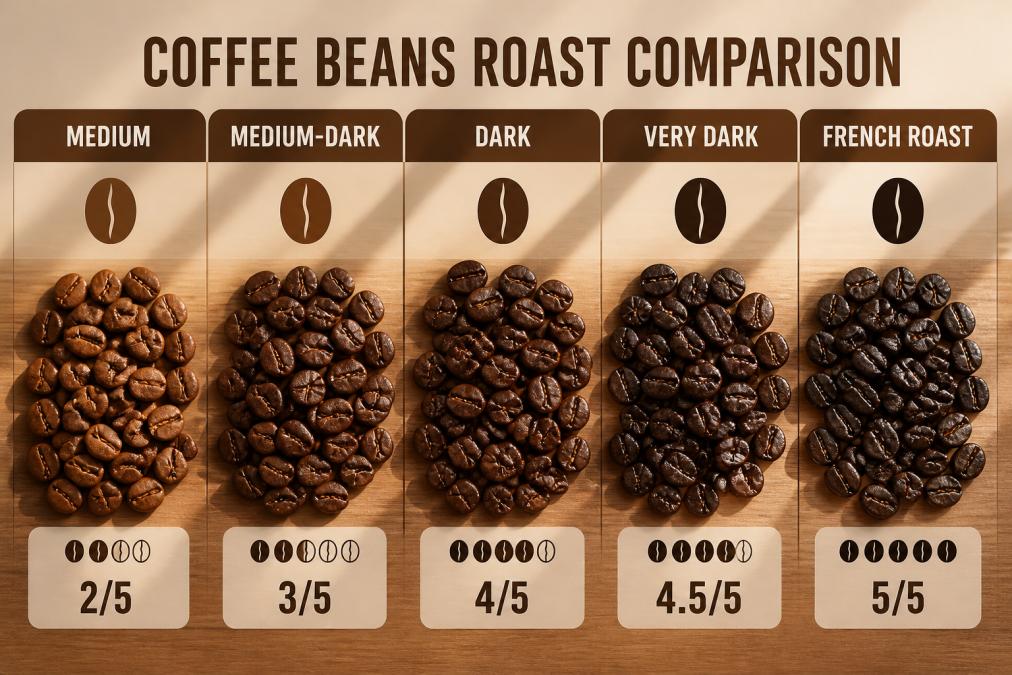
Blends combine beans from multiple regions to create consistent flavor through intentional balance. Single origins showcase one region's terroir, and smoothness depends on how well that region's natural acidity and sweetness align.

1. House Blend: Balanced All-Purpose Smooth Coffee
The House Blend from Marilyn's Morning Brew ($23.99) is the best choice if you prioritize consistency and ease. This medium roast combines select coffees from Central and South America into a profile that delivers nutty sweetness, chocolate notes, and mild citrus without sharp edges.
The deliberate pairing of natural and washed-process beans creates smoothness: washed coffees provide clarity and brightness, while natural-process beans add body and sweetness. A medium body means it works equally well black or with milk. The House Blend excels in drip coffee makers and French press, and it tolerates minor brewing mistakes better than single origins.
2. Brazil Santos: Single Origin Cocoa Smoothness
Brazil Santos ($23.99) represents what a single-origin smooth coffee looks like. Grown at 750-1050 meters in volcanic loam soil, these Catuai and Mundo Novo beans develop a naturally smooth profile with elegant cocoa notes that feel almost creamy on the palate.
Brazilian coffees are famous for low acidity and natural sweetness. The pulped natural processing method adds subtle complexity while preserving smoothness. This single origin works beautifully in milk drinks and espresso shots.
3. Peru: Silky Sweet Single Origin
Peru ($23.99) delivers silky sweetness with surprising citrus brightness that never feels sharp. Grown at 1100-1700 meters in clay mineral soil by Cooperativa Agricola de Servicios Norandino, these beans develop salted caramel and citrus notes through the gully-washed process.

Higher altitude means slower sugar development, creating the silky mouthfeel this origin is known for. The gully-washed processing removes more fruit than standard washing, resulting in a cleaner, more refined cup without sacrificing sweetness. Peru works exceptionally well in pour-over and specialty brewing methods where you control water temperature precisely.
How to Tell If Coffee Is Fresh
Freshness is the invisible ingredient that separates smooth coffee from stale, flat coffee. A bean roasted three weeks ago tastes fundamentally different from one roasted three months ago, even if the roast level and origin are identical.
The Roast Date: Your Primary Indicator
The roast date is your first and most reliable indicator of freshness. Coffee reaches peak flavor 5-14 days after roasting (peer-reviewed research). Beans roasted within the past 2 weeks are ideal for pour-over and specialty brewing. Beans roasted 2-4 weeks ago work well for espresso and French press. Beans older than 4 weeks begin to lose smoothness and develop stale, papery flavors. After 8 weeks, degradation is severe enough that no brewing technique can restore smoothness.
Visual and Sensory Inspection
Fresh whole beans have a slightly oily sheen and consistent color. If beans look dull, dusty, or discolored, they've been exposed to air and moisture, accelerating oxidation. The aroma test is reliable: fresh coffee has a strong, inviting aroma, nutty, chocolatey, fruity depending on origin. Stale coffee smells flat, papery, or musty.
Understanding Acidity, Bitterness, and Freshness
Freshness directly impacts how acidity and bitterness express in your cup. Acidity in fresh coffee is desirable, a bright, lively sensation that makes coffee taste alive. In a Peru or Ethiopian bean, acidity should feel like pleasant citrus brightness, not a sharp bite.
Acidity in stale coffee becomes harsh and unpleasant. As beans age, oils oxidize and break down, making acids more pronounced and aggressive. A smooth Peru bean that's 8 weeks old will taste sour and thin because oxidation has stripped away the sweetness and body that balanced the acidity.
Bitterness in fresh coffee is controlled and complements sweetness. A medium roast should have subtle cocoa or chocolate notes. Bitterness in stale coffee is harsh and unbalanced, oxidized oils produce rancid, burnt flavors that taste nothing like the intended roast profile.
The Freshness-to-Smoothness Timeline
- Days 1-4 after roasting: Beans are still off-gassing CO2 and not yet at peak flavor.
- Days 5-14: Peak smoothness window. Flavors are fully developed, acidity is bright but balanced, body is full, sweetness is prominent.
- Weeks 2-4: Smoothness is still excellent. Slight loss of aroma and complexity, but the cup remains smooth and pleasant.
- Weeks 4-8: Noticeable decline. Acidity becomes sharper, sweetness fades, body thins. The cup tastes less smooth and more sour or flat.
- Beyond 8 weeks: Significant degradation. Oxidized oils create rancid, stale flavors. Smoothness is lost entirely.
Practical Freshness Checks
When you receive beans, perform these checks immediately:
- Check the roast date: If it's more than 2 weeks old, contact the roaster or retailer.
- Smell the beans: Open the bag and inhale. Strong, pleasant aroma = fresh. Flat or musty smell = old.
- Brew a small amount: Taste a cup brewed the day you receive the beans. Note the acidity, bitterness, and smoothness.
- Track the roast date: Write the roast date on your storage container. Use beans within 4 weeks for peak smoothness.
How to Store Coffee Beans for Freshness
Once you've invested in quality beans, storage determines whether they stay smooth or decline into staleness. The enemies of freshness are oxygen, light, heat, and moisture.
Airtight containers are essential. Whole beans release CO2 for weeks after roasting, so a sealed container prevents oxygen from replacing that gas. Glass containers with airtight seals or opaque canisters designed for coffee work well. Avoid clear containers that expose beans to light, and skip the refrigerator or freezer unless storing long-term in a sealed, moisture-proof container.
Keep beans in a cool, dark place away from direct sunlight and heat sources. Room temperature (around 70°F) is fine for beans you'll use within a month. If buying in bulk, freeze beans in an airtight, moisture-proof container. When ready to use frozen beans, let them come to room temperature before opening to prevent condensation.
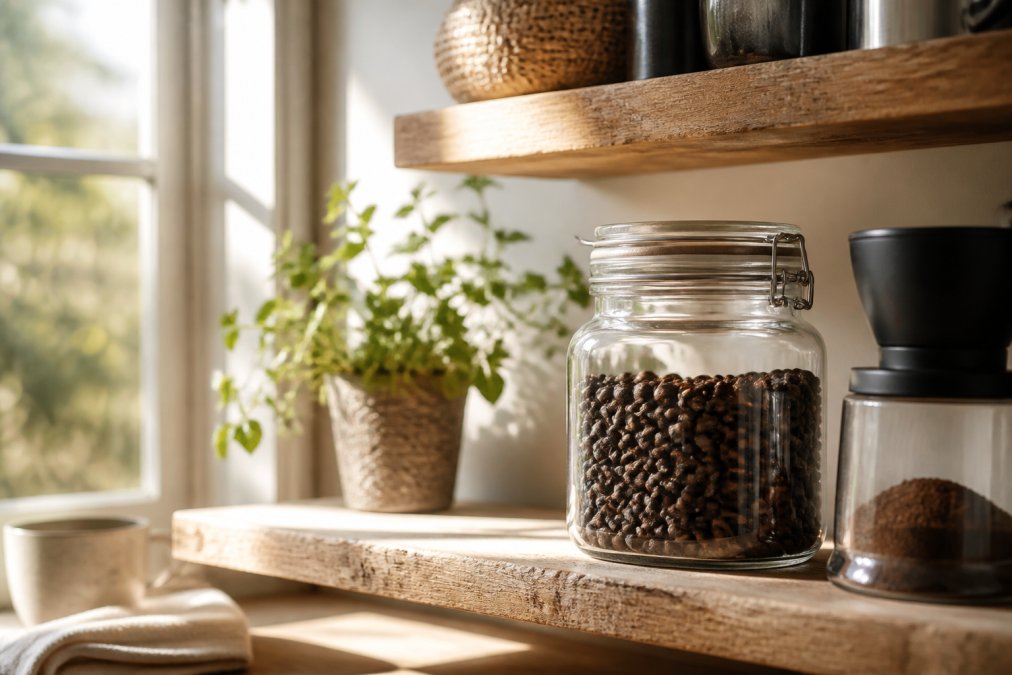
Grind only what you need immediately before brewing. Ground coffee stales much faster than whole beans because increased surface area accelerates oxidation.
Brewing Methods That Maximize Smoothness
The brewing method you choose significantly impacts whether smooth coffee stays smooth or becomes harsh. Water temperature, contact time, and grind size all interact to determine extraction, and over-extraction is the most common culprit behind bitter, unsmooth coffee.
The Grind-Size-to-Smoothness Connection
Grind consistency is the most underestimated variable in smooth coffee. A grind that's too fine accelerates extraction and pulls excessive bitter compounds. A grind that's too coarse under-extracts, leaving sour, thin flavors.
For pour-over: Use a medium-fine grind (similar to sea salt). Water flows through in 3-4 minutes, extracting sweetness and body without bitterness.
For French press: Use a coarse grind (like breadcrumbs). The longer 4-minute steep with coarse particles prevents over-extraction.
For espresso: Use a fine, consistent grind. Invest in a burr grinder (not a blade grinder) to achieve uniform particle size. Grind immediately before pulling each shot.
For cold brew: Use a coarse grind (like peppercorns). Cold water extracts slowly, so coarse particles and long steep time (12-24 hours) pull sweetness and body without harsh compounds.
Troubleshooting Bitter Coffee
If your smooth beans taste bitter, the problem is almost always extraction. Run through this checklist:
-
Grind size: Coarsen your grind by one setting. Bitter taste that improves means your grind was too fine. This single adjustment fixes bitter coffee in 70% of cases.
-
Brew time: Reduce contact time by 30 seconds. Shorter brew time = less extraction = less bitterness.
-
Water temperature: Let boiled water cool for 30 seconds before pouring. Aim for 195-205°F (ncausa.org). Water above 205°F over-extracts.
-
Bean freshness: Check the roast date. Beans older than 4 weeks begin to taste flat and bitter as oils oxidize.
-
Grinder quality: Blade grinders produce inconsistent particle size, causing some grounds to over-extract. A burr grinder produces uniform particles and dramatically improves smoothness.
Pour-Over Brewing for Clarity
Pour-over brewing gives you precise control over all variables. Water at 195-205°F, a medium-fine grind, and 3-4 minute brew time work well for smooth-focused beans. The paper filter removes oils and sediment, resulting in a clean, refined cup that highlights the bean's natural sweetness.
French Press for Body and Silkiness
French press brewing produces a fuller body and brings out smoothness in beans with cocoa and chocolate notes. Use a coarse grind to avoid over-extraction, and limit steep time to 4 minutes. If your French press coffee tastes bitter, the grind is too fine or the brew time is too long.
Cold Brew for Natural Smoothness
Cold brew eliminates temperature variables entirely. Cold water extracts more slowly and selectively, pulling sweetness and body while leaving harsh acids and bitter compounds behind. A 12-24 hour steep with a coarse grind produces naturally smooth coffee (ncausa.org). Use a 1:4 coffee-to-water ratio by weight.
Espresso for Precision
Espresso requires the most precision. Tamp evenly with consistent pressure (about 30 pounds), use fresh beans ground immediately before pulling, and aim for a 25-30 second extraction. If it tastes bitter, the grind is too fine or the tamp is too tight. If it tastes sour, the grind is too coarse or the tamp is too light.
Frequently Asked Questions
What coffee beans are the smoothest?
Medium roast coffee beans from Central and South America typically deliver the smoothest flavor profiles. Single origin options like Brazil Santos offer elegant, smooth cups with cocoa notes, while blended medium roasts provide consistent smoothness and well-balanced body. Look for beans with natural or pulped natural processing methods, which tend to produce smoother, sweeter flavor notes compared to more acidic washed process coffees.
How to tell if coffee is fresh?
Fresh coffee beans should have a roast date printed on the bag, ideally roasted within the past 2-4 weeks. Whole beans should smell aromatic and vibrant when you open the bag. Avoid beans that appear dull, oily, or have a stale smell. Fresh beans will also produce more crema when brewed. Roasted-to-order coffee ensures maximum freshness, as beans begin losing flavor compounds within days of roasting.
Does roast level affect the smoothness of coffee?
Yes, roast level significantly impacts smoothness. Medium roasts are ideal for smooth flavor because they preserve the bean's natural sweetness and body while reducing harsh, acidic notes that develop in light roasts. Dark roasts can taste bitter and ashy, making them less smooth. Medium roasts strike the balance between acidity and bitterness, delivering the clean, well-balanced cup most coffee drinkers prefer for smoothness.
How to store coffee beans for freshness?
Store whole coffee beans in an airtight container away from direct sunlight, heat, and moisture. Keep beans at room temperature, never in the refrigerator or freezer, as moisture and temperature fluctuations degrade flavor. A dark, opaque container works best to protect beans from light exposure. Buy only what you'll use within 2-4 weeks of the roast date. Whole beans stay fresher longer than pre-ground coffee, which loses aroma and flavor within days of grinding.
This article was written using GrandRanker