

Where to Buy Organic Loose Leaf Tea Online
Table of Contents
- Why Buy Organic Loose Leaf Tea Online
- Marilyn's Morning Brew: Sourced From Trusted Farms
- How to Brew Loose Leaf Tea Properly
- Benefits of Organic Loose Leaf Tea
- Loose Leaf Tea Storage Tips for Maximum Freshness
- Types of Loose Leaf Tea Worth Exploring
- What to Look for in Organic Loose Leaf Tea
- Conclusion
Last Updated: August 30, 2026
Why Buy Organic Loose Leaf Tea Online
Buying organic loose leaf tea online offers unmatched convenience and access to single-origin teas and artisan farmers worldwide. The real advantage is freshness, quality online sources package tea recently, not after months under fluorescent lights. At Marilyn's Morning Brew, we package tea to order, eliminating middlemen and storage delays that compromise quality.
Online retailers provide transparency that grocery stores can't match: detailed information about origin, harvest season, certifications, and brewing instructions. You can research fair trade credentials and sustainability practices before purchasing. Bulk purchasing and subscription options let you stock up without frequent trips, and fast shipping preserves the tea's delicate flavor profile and aroma.
Marilyn's Morning Brew: Sourced From Trusted Farms
Marilyn's Morning Brew specializes in organic loose leaf tea sourced directly from trusted farms worldwide. Each blend reflects a commitment to quality over volume, with direct relationships with artisan farmers who prioritize sustainability and ethical practices. Teas are packaged to order, ensuring freshness without months of warehousing.
Our curated selection includes Moroccan Mint ($22.99), a smooth green tea blend with fresh mint that works beautifully hot or iced, and Hibiscus Berry Tea ($16.99), delivering refreshing berry goodness with organic hibiscus flowers, rosehips, and orange peel. The ordering process is straightforward, select your tea, specify quantity, and it ships quickly. No complicated subscriptions, just premium organic loose leaf tea built on reliability and passion for the craft.

How to Brew Loose Leaf Tea Properly
Brewing loose leaf tea correctly transforms a good tea into an exceptional cup. Water temperature, steeping time, and equipment quality determine whether you unlock the full flavor profile.
Water Temperature and Steeping Time
Water temperature is critical. Black teas like Earl Grey ($16.99) need 195-210°F and 5-10 minutes to fully develop their bold character. Green teas require gentler treatment at 160-180°F for 2-4 minutes to preserve subtle flavors (peer-reviewed research). Herbal infusions handle 200-212°F and 5-10 minutes without becoming bitter.
An electric kettle with temperature control removes guesswork and ensures consistent results. If you prefer stronger tea, add more leaves rather than extending steeping time to avoid unwanted bitterness.
Brewing Equipment You'll Need
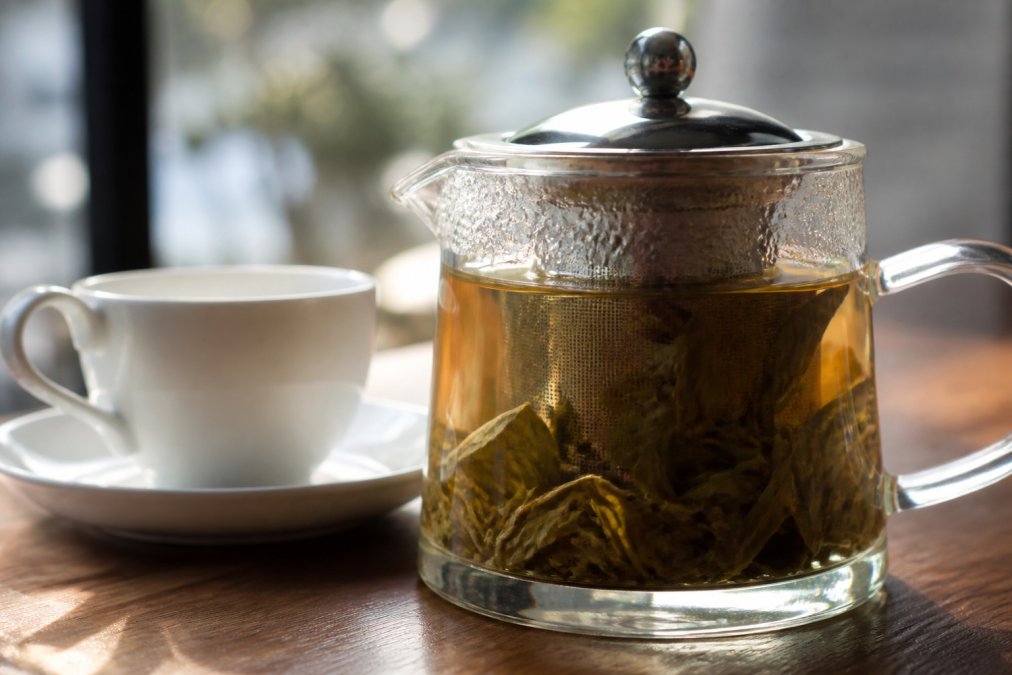
A mesh or basket infuser is essential, allowing leaves room to expand fully. A kettle with temperature control eliminates guesswork, though a regular kettle works fine if you let boiling water cool 3-5 minutes before pouring. A timer ensures consistent steeping, and a quality ceramic or glass cup enhances the experience.
Benefits of Organic Loose Leaf Tea
Organic loose leaf tea delivers wellness benefits that mass-produced tea bags can't match. Certified organic tea is grown without synthetic pesticides or chemical fertilizers, important since tea leaves are steeped directly in water. Loose leaf tea retains more beneficial compounds than broken tea dust in bags, with higher concentrations of antioxidants and polyphenols (peer-reviewed research). Green teas like Matcha ($22.99) are particularly rich in these compounds.

Quality organic teas taste noticeably better with brighter, cleaner flavors and more complex aroma. Many people find that switching to quality loose leaf tea improves their daily ritual, encouraging mindful consumption rather than rushed drinking. Organic certification also signals environmental responsibility, farmers practicing organic agriculture build soil health, support biodiversity, and avoid contaminating water supplies.
| Benefit | What It Means | Why It Matters |
|---|---|---|
| Organic Certification | No synthetic pesticides or chemicals | Cleaner product, safer for daily consumption |
| Full-Leaf Format | Intact tea leaves vs. broken dust | More antioxidants, better flavor extraction |
| Freshness | Recently packaged, packaged to order | Maximum aroma and flavor profile |
| Traceability | Known origin and farm practices | Transparency about sourcing and ethics |
| Loose Format | Easy to customize steeping | Better control over strength and taste |
Loose Leaf Tea Storage Tips for Maximum Freshness
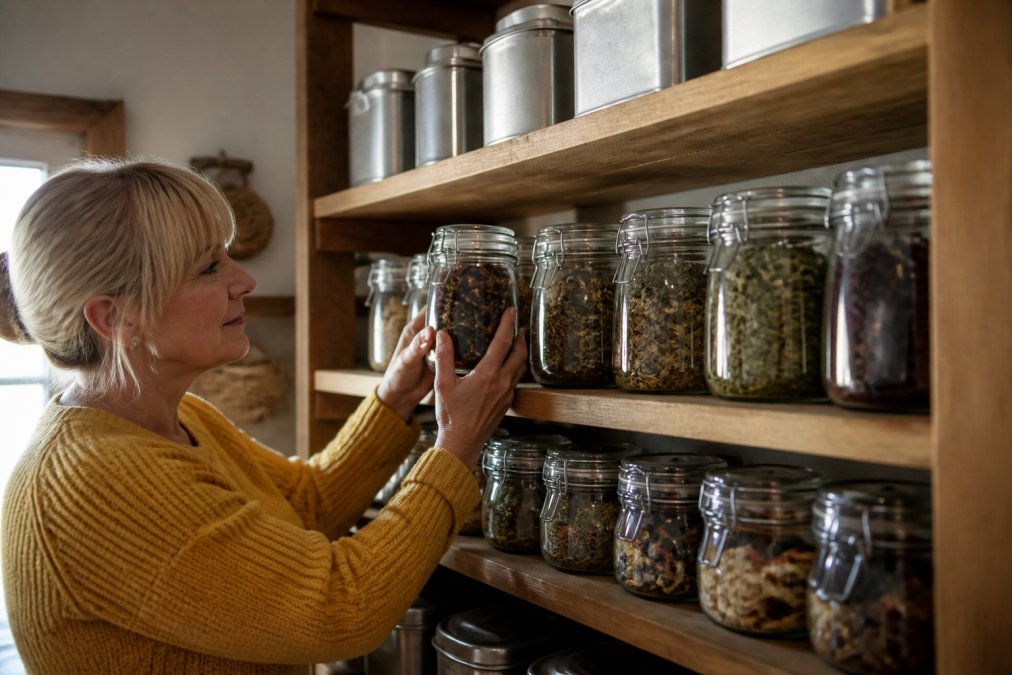
How you store loose leaf tea determines how long it stays fresh. Tea is sensitive to light, heat, moisture, and air exposure. Airtight glass jars with tight-sealing lids work best; avoid clear glass or store it in a dark cabinet away from direct sunlight.
Store tea in a cool, dry place between 60-70°F. Avoid kitchens near stoves or ovens where heat fluctuates, and never store in the refrigerator or freezer unless you live in an extremely humid climate. Keep tea away from strong odors, as it absorbs aromas from coffee and spices.
Label containers with the tea name and purchase date. Most loose leaf teas stay fresh for 6-12 months when stored properly (the FDA). Transfer only what you'll use within 3 months to your brewing container, keeping bulk supply sealed.
Types of Loose Leaf Tea Worth Exploring
Black Tea and Blends
Black tea is fully oxidized, delivering bold flavor and higher caffeine content. Earl Grey ($16.99) combines Ceylon black tea with bergamot essential oil and cornflowers, creating bright citrus notes. English Breakfast ($22.99) is a rustic blend of African and Indian black teas, strong enough to stand up to milk and sugar. Masala Chai ($22.99) combines bold black tea with warming spices, cardamom, cinnamon, ginger, and cloves, traditionally served with milk and sweetener.
Green Tea and Matcha
Green tea is unoxidized, preserving delicate, grassy flavors and containing less caffeine than black tea. Moroccan Mint ($22.99) blends green tea with fresh mint, creating a refreshing cup that works hot or iced. Matcha ($22.99) is a powdered green tea whisked into hot water, delivering a concentrated dose of antioxidants and smooth, creamy texture.
Herbal Infusions and Caffeine-Free Options
Herbal infusions are naturally caffeine-free, perfect for evenings. Hibiscus Berry Tea ($16.99) combines organic hibiscus flowers, rosehips, and blueberry flavor for a tart, fruity cup. Peach Paradise ($22.99) is a fruity herbal blend with peach, cranberry, and rose notes. Hojicha ($22.99) is a roasted green tea with toasted cereal notes and balanced umami. Mango Treat ($22.99) blends fruity tea with mango flavoring for a summery cup.

What to Look for in Organic Loose Leaf Tea
Certification and Sourcing Transparency
Organic certification is your first quality signal. Look for USDA Organic certification or equivalent standards. Quality tea sellers explain where the tea comes from, the specific region, farm, or estate. Single-origin teas are traceable to one location; blends should list the origins of each component. Ask about harvest season; spring harvests typically produce the highest quality, most delicate teas.
Fair Trade and Sustainability Standards
Fair Trade Certified labels verify that producers were paid fairly and work under humane conditions. Sustainability goes beyond fair trade, quality producers practice regenerative agriculture, building soil health and protecting water sources. Direct trade relationships often translate to higher quality tea and more equitable pricing.
Look for non-GMO verification and pesticide testing transparency. Some sellers provide third-party testing results showing their teas are free from pesticide residues, offering additional peace of mind about product safety.
| Certification Type | What It Verifies | Why It Matters |
|---|---|---|
| USDA Organic | No synthetic pesticides or chemicals | Cleaner product, safer consumption |
| Fair Trade Certified | Equitable farmer compensation | Supports ethical labor practices |
| Direct Trade | Direct farmer relationships | Higher quality, fairer pricing |
| Non-GMO Project Verified | No genetically modified ingredients | Transparency about sourcing |
| Pesticide Testing | Third-party residue analysis | Additional safety verification |
Choosing where to buy organic loose leaf tea online means finding a seller who prioritizes freshness, transparency, and quality over volume. Marilyn's Morning Brew embodies these values through packaged-to-order tea, direct sourcing from trusted farms, and fast, reliable delivery. Whether you're starting your morning with Earl Grey or unwinding with Hibiscus Berry Tea, you're investing in tea that tastes noticeably better and supports farming practices you can feel good about. Browse our full collection and discover your next favorite blend, each order ships fresh, packaged to preserve maximum flavor and aroma for your cup.
Frequently Asked Questions
What should I look for when buying organic loose leaf tea online?
Look for organic certification from recognized bodies, transparent sourcing information that names the farms or regions, and freshness guarantees. Check brewing instructions to match your equipment and preferences. Examine the full-leaf quality, flavor profile descriptions, and whether the seller offers detailed tasting notes. Single-origin teas and artisan farmer partnerships indicate higher quality. Read customer reviews mentioning flavor and freshness, and verify the company sources directly from growers rather than through multiple distributors.
Is organic loose leaf tea better than tea bags?
Organic loose leaf tea typically offers superior flavor and aroma because full leaves release their compounds more completely during steeping compared to broken pieces in bags. Loose leaf allows better water circulation around each leaf, producing a richer infusion. Loose leaf also provides more flexibility in steeping time and temperature control. Many organic loose leaf teas come from single-origin farms with transparent sourcing, whereas bagged teas often blend scraps from multiple sources. The trade-off is that loose leaf requires an infuser or strainer, but the quality difference is noticeable.
How should I store loose leaf tea to keep it fresh?
Store loose leaf tea in airtight glass jars or opaque containers away from direct sunlight, heat, and strong odors. Keep tea in a cool, dry place at room temperature, never in the refrigerator or freezer, which introduces moisture. Separate different tea types to prevent flavor cross-contamination. Most loose leaf tea stays fresh for 6 to 12 months when stored properly, though premium varieties may maintain peak quality for 3 to 6 months. Label containers with the tea type and purchase date. Avoid plastic bags, which allow air exchange and can transfer flavors.
Does organic certification matter for loose leaf tea?
Organic certification ensures the tea was grown without synthetic pesticides, herbicides, or chemical fertilizers, which is meaningful for a product you steep and drink daily. Certified organic loose leaf tea also typically reflects stricter farming practices and environmental stewardship. However, certification is not a guarantee of flavor or quality, nor is it the only indicator of ethical sourcing. Some small farms practice organic methods but lack formal certification due to cost. Look for both organic certification and direct-trade or fair-trade partnerships with named farms for the strongest assurance of quality and ethics.
What are the benefits of buying tea from small-batch roasters and direct-trade sources?
Small-batch roasters and direct-trade sources offer fresher tea because they work with smaller quantities and turn over inventory faster. Direct relationships with artisan farmers mean better traceability, transparency about growing practices, and often higher prices paid to growers, supporting sustainable agriculture. You'll typically find unique, single-origin teas and small-production blends unavailable through large retailers. These vendors can provide detailed cupping notes, harvest season information, and brewing recommendations based on hands-on experience with each batch. The personal attention and passion for quality usually translates to superior flavor and aroma.
This article was written using GrandRanker