

Is Specialty Coffee Worth the Price? A 2026 Cost Check
Table of Contents
- What Is Specialty Coffee? A Quick Definition
- Specialty Coffee vs Commercial Coffee: The Real Difference
- Cost Per Cup of Specialty Coffee: The Numbers
- Why Does It Cost More? The Supply Chain Explained
- The Flavor Payoff: Acidity, Body, and Tasting Notes
- The Diminishing Returns Curve: How Much Is Enough?
- Best Coffee Subscription for Home Office Setup
- Conclusion: Is It Worth It for You?
- Frequently Asked Questions
Last Updated: September 7, 2026
What Is Specialty Coffee? A Quick Definition
Specialty coffee is coffee that scores 80 points or higher on the 100-point scale developed by the Specialty Coffee Association, a grading system that evaluates aroma, flavor, acidity, body, and aftertaste through a process called cupping (sca.coffee). This single metric separates it from the commodity coffee that fills most grocery store aisles. At Marilyn’s Morning Brew, we roast to order to ensure maximum flavor, aroma, and freshness for every cup.
The definition matters because it changes what you are actually buying. Commercial grade coffee is typically mass-harvested, blended across dozens of origins, and roasted months before it reaches a shelf. Specialty coffee, by contrast, is usually single-origin, traceable to a specific farm or cooperative, and marked with a roast date rather than a "best by" date. That transparency is the foundation of the entire price discussion.
Specialty Coffee vs Commercial Coffee: The Real Difference
The gap between specialty coffee vs commercial coffee comes down to three measurable factors: sourcing, processing, and freshness. Commodity coffee is often picked by machine, which pulls in unripe and overripe cherries that create bitter, flat flavors. Specialty lots are hand-picked, hand-sorted, and processed using methods like the washed process, natural process, or honey process, each of which shapes the final flavor profile in distinct ways.
Here is a quick comparison of what the difference looks like in practice:
| Factor | Specialty Coffee | Commercial Coffee |
|---|---|---|
| Sourcing | Single-origin, traceable farms | Blended, anonymous origins |
| Quality grade | SCA score 80+ | No quality grading |
| Roast date | Printed on bag | Often absent |
| Flavor profile | Region-specific tasting notes | Uniform, roasted flavor |
| Price per cup | $0.80-$1.50 | $0.20-$0.50 |
The flavor difference is not subtle. A washed Kenya coffee delivers bright acidity with orange and floral notes, while a natural Ethiopia presents milk chocolate and caramel. Commercial coffee, roasted dark to mask defects, mostly tastes like roast itself. Once you train your palate to recognize origin character, going back is difficult.

Cost Per Cup of Specialty Coffee: The Numbers
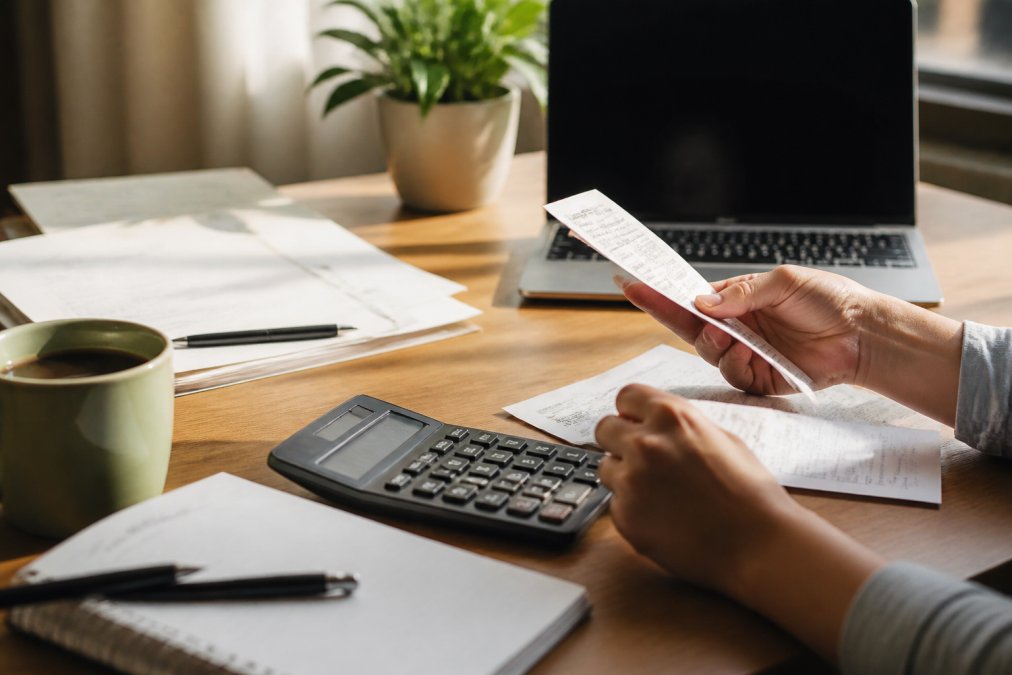
A hand pours freshly brewed coffee from a glass carafe into a ceramic mug on a kitchen counter, with a bag of whole beans and a small digital scale nearby.
Most articles stop at the bag price, but the real question is what you are paying per cup, and how that stacks up against every other way you buy caffeine. Let’s break down the actual numbers for a typical home brewer.
A standard 12-ounce bag of specialty coffee costs between $18 and $25. Using a common 1:16 coffee-to-water ratio, you will use about 17 grams of beans for a 270-gram cup. That yields roughly 20 cups per bag. At $23.99, your cost is about $1.20 per cup. At $18.00, it drops to $0.90 per cup.
Here is how that compares to other daily coffee habits:
| Coffee Format | Typical Cost | Cost Per 12 oz Cup |
|---|---|---|
| Home-brewed specialty (bag at $23.99) | $23.99 / 20 cups | $1.20 |
| Home-brewed specialty (bag at $18.00) | $18.00 / 20 cups | $0.90 |
| Single-serve pod (e.g., K-Cup) | $1.00 - $1.50 per pod | $1.00 - $1.50 |
| Cafe drip coffee | $2.50 - $3.50 | $2.50 - $3.50 |
| Cafe latte or cappuccino | $4.50 - $6.00 | $4.50 - $6.00 |
| Commercial ground coffee (bag at $8.00) | $8.00 / 30 cups | $0.27 |
The gap between a home-brewed specialty cup and a cafe latte is not just about beans, it is about labor, rent, and equipment. Brewing at home shifts that value entirely to the quality of the bean.
There is also a value tier worth knowing about. Many specialty roasters offer "value" or "daily driver" lines, beans that score just above the 80-point SCA threshold. These often come from larger cooperatives or are slightly older harvests. They lack the rarity of a microlot but still deliver the freshness and traceability that define specialty coffee.
The real takeaway is that specialty coffee is not a luxury line item. The price per cup is the number that matters, and it is far more accessible than the bag price suggests.
Why Does It Cost More? The Supply Chain Explained
Specialty coffee costs more because the supply chain pays people properly at every stage. Smallholder farmers who grow exceptional coffee at high altitudes receive premium prices through direct trade and fair trade relationships, which incentivize quality over volume. The Specialty Coffee Association's research on producer economics highlights that quality-focused supply chains reinvest more into farming practices, creating a cycle that sustains both flavor and livelihoods.
Consider what goes into a single lot. Farmers must cultivate specific varieties like Bourbon or SL28 at altitudes above 1,500 meters, hand-pick only ripe cherries, and process them carefully within hours of harvest. Exporters, importers, and roasters each add margin while managing risk. By the time beans reach a roaster like Marilyn's Morning Brew, the price reflects dozens of skilled decisions made across the chain.
This is where ethical sourcing stops being abstract. Commodity coffee markets often leave farmers below sustainable income levels, which is why so many specialty roasters prioritize direct relationships with specific farms and cooperatives.
The Flavor Payoff: Acidity, Body, and Tasting Notes
The flavor payoff is the real justification for the price, and it is best understood through three terms: acidity, body, and tasting notes. Acidity in specialty coffee refers to bright, lively characteristics like citrus or berry, not sourness. Body describes the weight and texture on your tongue, ranging from tea-like to syrupy. Tasting notes are the specific flavors you detect, from dark chocolate to jasmine.
A well-roasted single-origin coffee delivers a complexity that commercial blends cannot match. Our Bali Blue, for instance, offers dark chocolate, molasses, and brown sugar with a medium-dark roast that suits those who prefer a fuller cup. The Ethiopia Natural, processed with a full natural method on raised beds, brings milk chocolate and fruity caramel notes that shift as the coffee cools.
What most guides miss is that these flavors depend heavily on freshness. Specialty coffee is at its peak between 4 and 14 days after roasting, which is why a printed roast date matters more than any tasting note on the bag. Coffee purchased from a supermarket shelf may have been roasted six months prior, and no amount of careful brewing will recover the volatile aromatic compounds that have long since dissipated.
The Diminishing Returns Curve: How Much Is Enough?
The honest answer to "is specialty coffee worth the price" is that it depends on where you sit on the diminishing returns curve. Moving from commercial coffee to an $18 to $25 bag of freshly roasted specialty coffee produces a dramatic improvement in flavor. Moving from that $25 bag to a more expensive limited lot, however, yields a much smaller gain that only experienced tasters may notice.
A practical approach is to find your value sweet spot. If you are currently buying grocery store coffee, almost any freshly roasted specialty option will feel like a revelation. If you already drink good coffee, experiment with different origins and processing methods rather than chasing ever-higher price points. The National Coffee Association's brewing guidelines recommend starting with quality beans and proper grind size before upgrading equipment, since extraction quality depends on both.
The real takeaway is that the biggest flavor jump happens at the first step: from stale commercial coffee to fresh specialty coffee. Everything after that is refinement, and you should only pay for refinement if you can actually taste it.
Best Coffee Subscription for Home Office Setup
For remote workers, the best coffee subscription for home office use is one that delivers freshly roasted beans on a schedule that matches your consumption, eliminating the temptation to grab stale supermarket coffee. But before you commit, it is worth understanding how subscription pricing compares to buying individual bags, and when a subscription is actually the smarter financial move.
Most specialty roasters price a 12-ounce bag between $18 and $25 whether you buy it once or on a recurring schedule. The difference is rarely the per-bag price. The value of a subscription comes from three places: shipping costs, freshness windows, and consumption discipline.
Shipping economics. A one-time order for a single bag often carries a shipping fee of $5 to $8. That adds $0.25 to $0.40 per cup. A subscription that includes free shipping effectively eliminates that cost, bringing your per-cup price down to the $1.00 to $1.20 range we discussed earlier. If you order more than one bag at a time, the shipping cost is diluted further, but you risk beans going stale before you finish them.
Freshness alignment. Specialty coffee is at its peak between 4 and 14 days after roasting. A monthly subscription that ships on the 1st of every month may leave you drinking beans that are 20 days old by the end of the cycle. A bi-weekly or every-three-weeks schedule keeps you inside that optimal window. The best subscriptions let you set the cadence, and you should match it to your actual consumption rate. If you brew two cups a day, a 12-ounce bag lasts about 10 days. If you brew one cup a day, it lasts about three weeks.
Consumption discipline. The hidden cost of not having a subscription is the emergency trip to the grocery store or the mid-afternoon cafe run when you run out of beans. Those unplanned purchases are almost always more expensive per cup and lower in quality. A subscription removes that failure mode entirely.
What about the sample pack approach? Many roasters, including Marilyn's Morning Brew, offer a Best Sellers Sample Pack with six 2-ounce portions. This is a smart way to test flavor profiles before committing to a full bag. The cost per ounce is higher, but the information you gain prevents you from buying a full bag of a roast you do not enjoy. Treat it as a low-cost exploration phase.

A practical rule for home office setups: if you drink at least one cup per day, a bi-weekly subscription of a single 12-ounce bag is the sweet spot. It keeps you in the freshness window, spreads shipping costs to near zero, and forces you to finish a bag before the next one arrives. If you drink less than that, a monthly subscription or a local roaster with no shipping fee is the better value.
The bottom line is that subscriptions are not a magic discount. They are a logistics tool that ensures you always have fresh beans on hand. The value comes from consistency, not from a lower sticker price.
Conclusion: Is It Worth It for You?
The answer to whether specialty coffee is worth the price comes down to what you value in your daily cup. If you drink coffee for caffeine alone, the premium is hard to justify. If you treat that morning brew as a ritual worth savoring, the freshness from roasted-to-order beans, the traceability to trusted farms, and the flavor complexity of single-origin lots deliver value.
Start by trying one bag of freshly roasted specialty coffee and brewing it properly with a consistent grind size and water temperature. Compare that cup to what you were drinking before, and the decision becomes clear. Get started with Marilyn's Morning Brew and taste the difference that careful sourcing and roasting to order make in every batch.
Frequently Asked Questions
What is the difference between regular coffee and specialty coffee?
Regular coffee, often called commercial grade, is typically mass-produced and scored below 80 on the SCA scale. Specialty coffee scores 80 or above, which signals fewer defects and a higher potential for complex flavors. The difference shows up in the cup: specialty beans are usually single-origin, roasted in small batches, and have a clear roast date, which preserves the flavors the farmer and roaster worked to develop.
How can you tell if a coffee is truly specialty grade?
Look for three things on the bag: an SCA score of 80 or above, a specific origin like a region or farm rather than just a country, and a roast date instead of a best-by date. A roaster that names the grower or cooperative is another good sign. If the bag only says "100% Arabica" with no origin details, it is likely commercial grade, regardless of the branding.
Is the higher cost of specialty coffee worth it for the average drinker?
For many, yes, especially if you drink coffee daily. The freshness and flavor can be dramatically better. If you drink coffee black, you may notice the difference immediately. If you add lots of milk and sugar, the flavor gap narrows, but the ethical sourcing benefits still justify the price for many buyers.