

Fresh Roasted Coffee Beans Online: Cost Guide
Table of Contents
- What You Pay for Fresh Roasted Coffee Beans Online
- How to Tell if Coffee is Fresh: Roast Date and Degassing
- Single Origin vs. Blends: Price and Flavor Trade-Offs
- Roast Profile and Brewing Method Impact on Value
- Coffee Bean Subscription Cost Comparison
- Shipping and Shelf Life: Real Costs of Freshness
- Why Roast-to-Order Justifies the Price
- Frequently Asked Questions
Last Updated: September 27, 2026
What You Pay for Fresh Roasted Coffee Beans Online
When you order fresh roasted coffee beans online, you're paying for more than just beans, you're paying for freshness, traceability, and the roast-to-order process that keeps them at peak flavor. A single bag of fresh roasted coffee beans online typically costs between $20-$25 per pound, though the real value depends on what you're getting.
The cost of fresh roasted coffee beans online breaks down into several components. You're covering the sourcing cost (beans from trusted farms command premium prices), the roasting labor, packaging designed to protect freshness, and fast shipping to get them to you while they're still degassing. A typical 12-ounce bag runs $23.99 at Marilyn's Morning Brew, that's roughly $32 per pound if you were buying whole pounds.
What matters most is understanding the price-per-cup breakdown. A 12-ounce bag typically yields 15-18 cups depending on your brew method and grind size. At $23.99, that's about $1.30-$1.60 per cup. Compare that to grocery store premium brands (often $2-$3 per cup) or specialty café drinks ($4-$6), and fresh roasted coffee beans online start looking reasonable.
How to Tell if Coffee is Fresh: Roast Date and Degassing
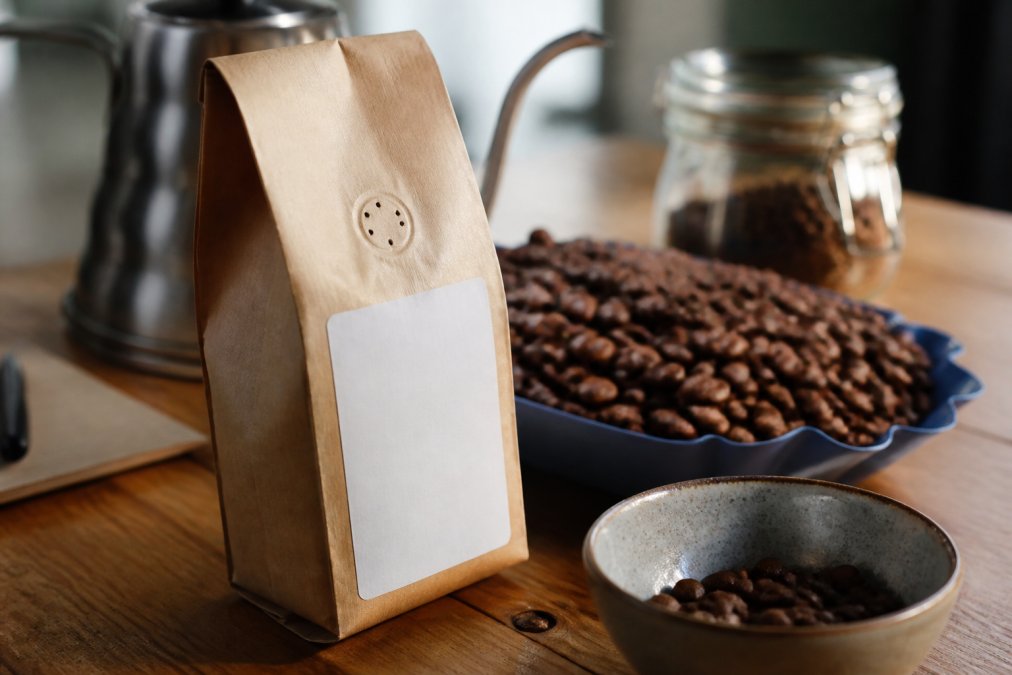
The roast date is your single most important freshness indicator. Fresh roasted coffee beans online should show a roast date printed on the bag, not a "best by" date. Look for bags roasted within the last 14 days, that's when specialty coffee hits its flavor peak.
Degassing is the process where CO2 trapped inside the beans escapes after roasting. For the first 24-48 hours after roasting, coffee is still actively degassing and tastes flat or sour. By day 3-5, the beans have released enough gas that flavors open up. Peak freshness typically runs from day 5 through day 21 after roasting. After 30 days, the coffee is still drinkable but loses complexity and brightness.
When you order fresh roasted coffee beans online from a roaster practicing roast-to-order (like Marilyn's Morning Brew), the beans ship 1-2 days after roasting. This means they arrive at your door in the sweet spot, past the harsh degassing phase but still within the optimal flavor window. Grocery store bags, by contrast, may have been roasted weeks or months before you buy them.
Check the bag for a one-way valve. This small feature lets CO2 escape during degassing while preventing oxygen from entering. It's a sign the roaster understands freshness. If there's no valve and the bag is sealed flat, those beans have likely lost significant flavor.
Single Origin vs. Blends: Price and Flavor Trade-Offs
Single origin beans come from one specific farm or region, while blends combine beans from multiple origins. The price difference is real: single origins typically cost the same or slightly more, but the flavor profile is more distinct and traceable.
Marilyn's Morning Brew sources single origins like Brazil Santos at $23.99, Colombia at $23.99, and Ethiopia Natural at $23.99. Each carries unique flavor notes tied to altitude, soil, processing method, and variety. The Brazil Santos delivers elegant, smooth cup with cocoa notes. The Colombia offers dried orange, berry, and chocolate. The Ethiopia Natural brings milk chocolate, fruity, and caramel notes.


Blends, by contrast, combine beans to create a consistent flavor profile year-round. A roaster might blend a bright African bean with a heavy-bodied Indonesian bean to balance acidity and body. The advantage: consistency and approachability. The drawback: you lose the distinct character of single origins.
For someone new to specialty coffee, blends are often the safer choice, they're forgiving and balanced. Single origins reward curiosity: you taste the terroir, the processing style, the altitude. If you work from home and drink coffee daily, exploring different single origins keeps your palate engaged. If you just want reliable, smooth coffee every morning, a well-made blend delivers that with less thinking required.
The price-per-cup is essentially identical. What you're trading is consistency (blends) for complexity (single origins).
Roast Profile and Brewing Method Impact on Value
Light roasts, medium roasts, and dark roasts aren't just flavor preferences, they affect how much you can extract from the beans and which brewing methods work best.
Light roasts preserve the origin flavors and acidity. They're denser and harder to extract, so they demand precision: pour-over, AeroPress, or espresso work well. Under-extracted light roast tastes sour. Over-extracted tastes bitter. The skill required means light roasts are best for people who enjoy tinkering with their brew.
Medium roasts like Guatemala with dark chocolate, bright fruit, and butterscotch notes hit the sweet spot for most people. They're forgiving with brewing method, they work in drip machines, French press, pour-over, and espresso. You get origin character without the extraction difficulty of light roasts.
Dark roasts like Honduras with caramel, spice, and brown sugar notes are less dense and easier to extract. They work beautifully in French press and espresso, where longer contact time with water is the norm. Dark roasts also mask brewing mistakes better than light roasts.
Here's the value calculation: if you're using a basic drip machine, a light roast is wasted money because you can't extract it properly. A medium roast delivers better results with the same equipment. If you're pulling espresso shots, light roast single origins shine because espresso's high pressure extracts those delicate flavors. Match the roast to your method, and you're getting full value from the beans.
Coffee Bean Subscription Cost Comparison
Subscription services lock in a predictable cost and delivery schedule. The question is whether the convenience and cost savings justify the commitment.
A typical subscription for fresh roasted coffee beans online runs $23.99 per bag, shipped every 2-4 weeks depending on your consumption. Order one bag per month, and you're spending roughly $288 per year. Order two bags per month, and you're at $576 annually. Most subscriptions offer a small discount (5-15%) compared to one-time purchases, though Marilyn's Morning Brew keeps pricing consistent, you're paying for reliability and convenience, not a bulk discount.
| Subscription Frequency | Monthly Cost | Annual Cost | Best For |
|---|---|---|---|
| One bag every 4 weeks | $24 | $288 | Light coffee drinkers, testing roasters |
| One bag every 2 weeks | $48 | $576 | Regular home office workers |
| Two bags every 2 weeks | $96 | $1,152 | Heavy daily drinkers, households |
| No subscription, buy as needed | Variable | $300-$800+ | People who like variety, irregular consumption |
The real advantage of subscription isn't price, it's that you never run out of fresh beans. A bag arrives before you finish the previous one, so you're always in the optimal freshness window. If you're a daily drinker and you forget to reorder, you end up with stale grocery store coffee for a week. Subscription eliminates that.
The downside: you're locked into one roaster's flavor profile. If you want to explore different single origins or switch roasters, subscription can feel restrictive. One-time purchases give you flexibility to try new roasters and origins without commitment.
For remote workers who drink coffee every morning, subscription makes sense. For casual drinkers or people who like variety, buy-as-needed works better even if it costs slightly more.
Shipping and Shelf Life: Real Costs of Freshness
Shipping is where fresh roasted coffee beans online gets expensive. Standard shipping costs $5-$8 per order. Express shipping runs $12-$18. Free shipping thresholds often sit at $50+, which means you're buying multiple bags to avoid paying for shipping.
Here's the hidden math: if you order one bag at $23.99 and pay $8 for shipping, your effective cost per bag is $31.99, a 33% increase.
Why Roast-to-Order Justifies the Price
Roast-to-order means the roaster doesn't roast beans until you order them. This eliminates inventory sitting in storage losing flavor. It's more labor-intensive than batch roasting, and it requires customers to wait 2-5 business days for delivery instead of ordering from stock. So why does it justify the premium?
Frequently Asked Questions
How much should I expect to pay for fresh roasted coffee beans online?
Fresh roasted specialty coffee typically costs $23-$28 per pound when ordered online, compared to $10-$15 for commodity-grade grocery store beans. The price reflects the roast-to-order process, single-origin sourcing, and direct shipping. At Marilyn's Morning Brew, single-origin whole beans are $23.99 per bag, translating to roughly $0.75-$1.00 per cup depending on your brewing method and extraction efficiency.
What is the best way to tell if coffee is fresh when ordering online?
Check the roast date on the bag, fresh roasted coffee should be roasted within 7-14 days of arrival. Look for whole bean options rather than pre-ground, as whole beans retain flavor longer. The roast-to-order model ensures beans are roasted immediately before shipping, eliminating the weeks of storage that commodity coffee experiences. Avoid bags without visible roast dates, as this signals commodity-grade inventory sitting in warehouses.
Is a coffee bean subscription cheaper than buying individual bags?
Subscription services can offer modest savings (5-15% discounts) if you commit to regular deliveries, but the real value lies in convenience and freshness consistency rather than cost reduction. One-time purchases at $23.99 per bag give you flexibility to explore different roast profiles and origins without long-term commitment. For high-volume drinkers ordering multiple bags monthly, subscriptions eliminate reordering friction and ensure fresh stock arrives predictably.
Does shipping cost make online coffee more expensive than buying locally?
Shipping typically adds $5-$10 per order, raising the per-pound cost by 20-40%. However, roast-to-order beans shipped directly stay fresher longer than local retail options that may have sat weeks in inventory. When you factor in shelf life and flavor retention, the true cost-per-cup of fresh online coffee often matches or beats local specialty shops. Buying multiple bags per order spreads shipping costs across more coffee, improving the value.